The article GPT Image 1.5: What can the new image AI from OpenAI do? first appeared in the online magazine BASIC thinking. With our newsletter UPDATE you can start the day well informed every morning.
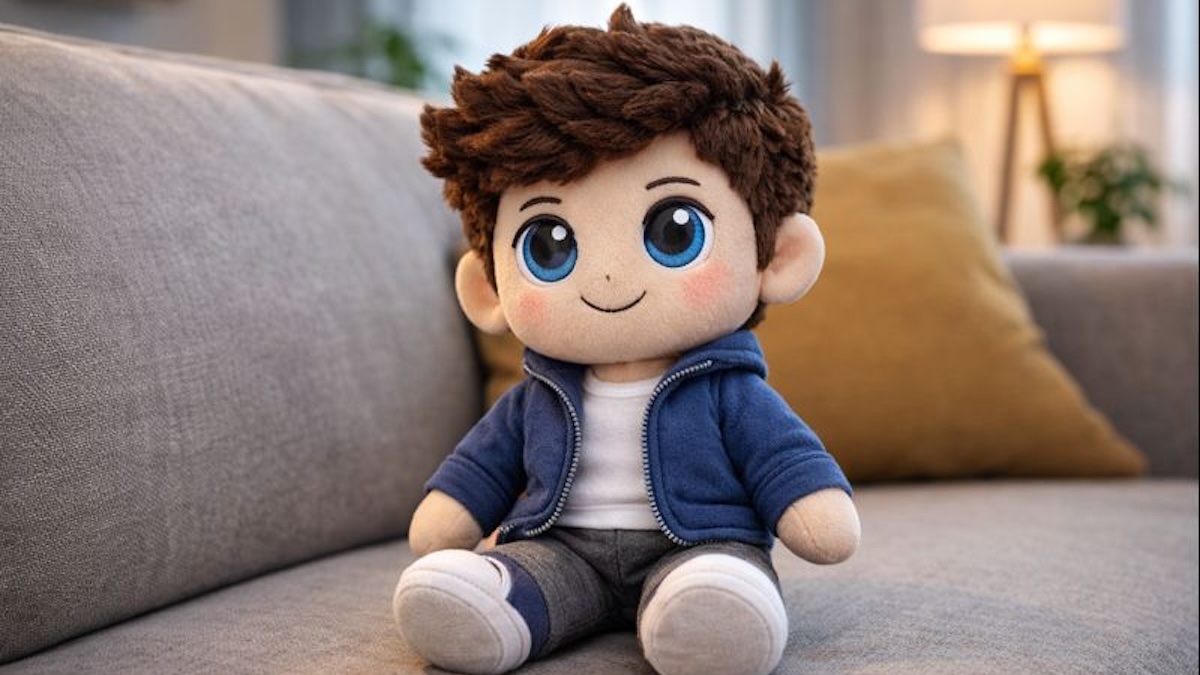
OpenAI has released GPT Image 1.5, a new AI model for image generation and integrated it into ChatGPT. It is said to be faster than its predecessor, deliver more precise results and follow instructions in more detail. The release is a direct response to Google’s Nano Banana image AI. A commentary analysis.
what is GPT Image 1.5?
- According to OpenAI GPT Image 1.5 is primarily intended to preserve image components such as lighting, composition and recognizability, while users individually Adjust details precisely can. The same applies to logos or certain visual components. OpenAI sees key areas of application primarily in marketing and e-commerce – for example in the creation of graphics, logos or product catalogs.
- In parallel with the new image AI, ChatGPT is getting one designated area for pictures. About one Media library Users should be able to find and edit saved images. According to OpenAI, ChatGPT will also provide visual answers in the future, for example in the form of restaurant photos. To obtain further information, users should be able to highlight specific places, products or people. GPT Image 1.5 is said to be able to edit images up to four times faster.
- Commercial use of images created with GPT Image 1.5 is permitted according to OpenAI. However, users would themselves are liable for the content created. There are restrictions on the depiction of real people if there are no rights for this, as well as on hate content. Image AI should be better at integrating text into images.
GPT Image 1.5 against moments of frustration
GPT Image 1.5 can be used as a direct Reaction to Google’s new AI models be understood. The search engine giant has not only presented Gemini 3 with its language model and made up ground against OpenAI, but also with the Nano Banana image AI.
Actually that was Image AI expected in early 2026 been. But after OpenAI boss Sam Altman declared Code Red within the company due to the threat from Google, resources were pooled to launch GPT Image 1.5 in addition to GPT-5.2 this year.
The new image AI does not outshine the competition from Gemini 3 from Google or Midjourney from Microsoft. However, OpenAI was apparently able to do so given the previous version significant progress achieve. Until now, image generation with ChatGPT was often frustrating.
The desire for small adjustments often resulted in the AI creating a completely new image and users having to start all over again. With these moments of frustration OpenAI seems to have successfully cleaned up the mess.
Voices
- Nick Turley, Chief Product Officer at OpenAIpromises in one Post on X (formerly Twitter): “More precise edits, more accurate following of instructions, and up to 4x faster generation while preserving details like lighting, composition, and likeness throughout all edits. From quick fixes to complete redesigns, it’s easier to get exactly what you envision.”
- Fidji Simo, CEO of Applications at OpenAIin one Blog post: “Many people’s first experience with ChatGPT is converting a text template into an image. This is a magical way to see what this technology can do, but the chat interface was not originally designed for this. Creating and editing images is a completely different task and deserves its own section dedicated to visual content.”
- A Reddit user points within the framework of a Forum discussion “You’re forgetting that it’s not just aesthetics that’s being judged. Otherwise, Midjourney would rank much higher. I’m assuming their new model follows instructions better and works better, which is more important to a lot of people.”
GPT Image 1.5: A reliable business tool?
Only the coming weeks will show how GPT Image 1.5 really performs across a broader user base. However, image AI represents less of a technological revolution than one strategic shift. Because OpenAI deliberately positions GPT Image 1.5 as a tool that should score points with reliability.
In the duel with Google, the competition for usage contexts is intensifying. While OpenAI ChatGPT becomes a central Control point for image generation and editing Google wants to make use of its strengths in search, maps and product data.
At the same time, the pressure is growing: faster publications, commercial interests and investors’ expectations little room for maturation processes. Ultimately, it is not necessarily the most aesthetically pleasing model that wins, but rather a combination of function and integration into decision-making and purchasing processes.
Apart from an entertainment factor, OpenAI GPT Image 1.5 has above all positioned as a business tool – presumably in order to be able to market the model profitably and to appease investors.
Also interesting:
- Why electricity is so expensive in Germany
- AI tax: The biggest redistribution of the 21st century?
- McDonald’s embarrasses itself with AI advertising
- AI National Park: Nature and species protection using artificial intelligence
The article GPT Image 1.5: What can the new image AI from OpenAI do? first appeared on BASIC thinking. Follow us too Google News and Flipboard or subscribe to our newsletter UPDATE.
As a Tech Industry expert, I am excited about the potential of GPT Image 1.5 from OpenAI. This new image AI has the capability to generate high-quality and realistic images based on textual inputs, similar to how GPT-3 can generate text based on prompts.
With GPT Image 1.5, users can provide descriptions or instructions for the AI to create images of specific scenes, objects, or concepts. This technology has the potential to revolutionize various industries, such as design, advertising, and content creation, by enabling faster and more efficient image generation.
Additionally, GPT Image 1.5 could also have applications in areas like virtual reality, gaming, and visual storytelling, allowing for more immersive and realistic experiences. However, it is important to consider the ethical implications and potential misuse of this technology, such as generating fake or misleading images.
Overall, I believe that GPT Image 1.5 has the potential to be a game-changer in the tech industry and I am excited to see how it will be further developed and utilized in the future.
Credits