The article Humanoid robots on the verge of a breakthrough – but different than expected first appeared in the online magazine BASIC thinking. With our newsletter UPDATE you can start the day well informed every morning.
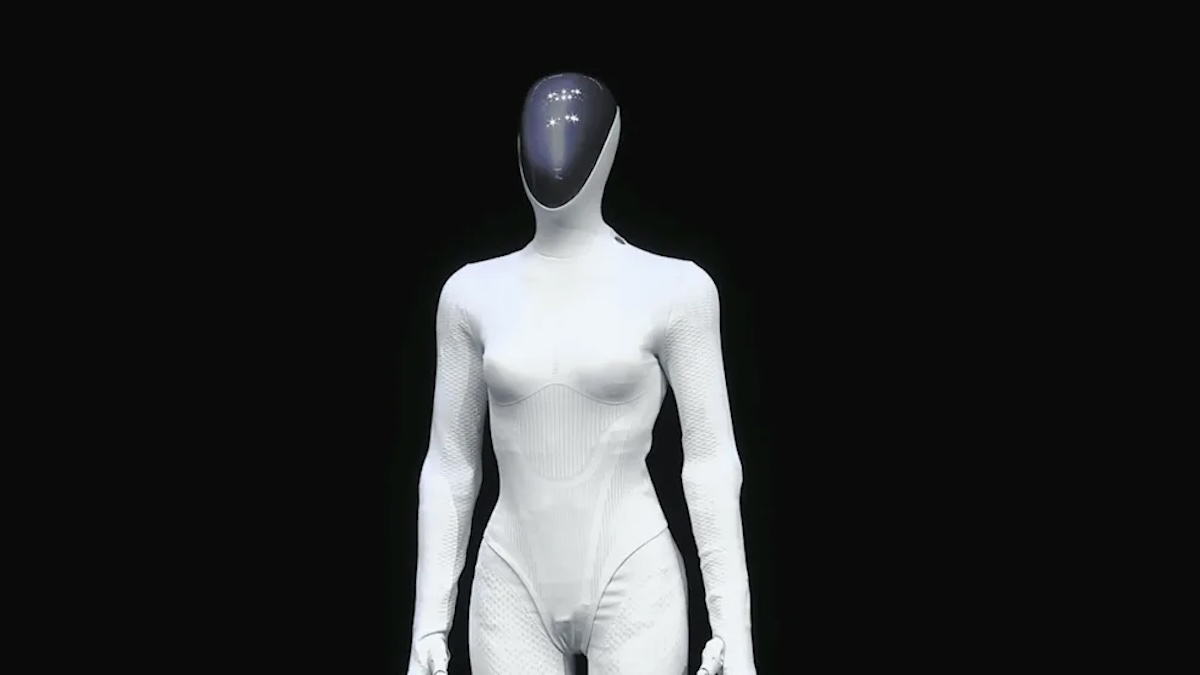
Since the advent of science fiction films, many people have been excited about humanoid robots. A prominent example is C-3PO from Star Wars IV from 1977. Almost 50 years later, humanoid robots are again – or still – on everyone’s lips. Will there be a breakthrough in 2026? A commentary analysis.
Car manufacturers produce humanoid robots
- Research into humanoid robots is intensifying around the globe. One Study by the Ingolstadt University of Technology shows that China the development of humanoid robotics dominates with a market share of 39 percent. This is followed by the USA (24 percent) as well as Europe and Japan (twelve percent each).
- There are no specialized companies behind the humanoid robots; primarily car manufacturers – you read that right. The largest manufacturers and most determined researchers include Toyota, Hyundai, Honda, XPENG and Tesla. Your advantage: You are involved in automation in the car sector and have been using industrial robots for years.
- The average Net income of a single household is around 1,850 euros in Germany. The costs for humanoid household helpers start at across providers 10,000 euros. In order to buy a robot for their own four walls, the German middle class would have to work for six months without spending a cent.
The big robot competition
Anyone who is enthusiastic about humanoid robots will not be disappointed in 2025. Countless providers presented their latest robots in impressive performances. The Figure 03 from Figure AI is inductively charged and can carry up to 20 kilograms. The Xpeng Iron acts so humanly that viewers are not sure whether it is actually a robot.
And Tesla’s Optimus robot was also impressive when it was presented – especially because it behaved surprisingly humanely when falling. This is exactly where we are right now: 80 percent of all humanoid robots are Prototypes that deliver incredible performances on show stages.
Manufacturers focus on convincing human viewers through humanity, but often fail in everyday life. Just ten percent of all humanoid robots are already in series production.
The reason: To simulate humans in all their facets and abilities still a lot of work needed. The human hand alone has 17,000 tactile receptors. It is not surprising that no humanoid has yet managed to recreate the necessary fine motor skills.
Voices
- Simon Schmidt, division manager at Fraunhofer IPAconducted a study on humanoid robots. He believes that private scaling only comes if there is first sufficient professional areas of application “In my opinion, the successful use of humanoids will not only require use cases that are technically possible, but also business cases that are economically interesting.”
- At this point also sets Elon Musk to. In July 2024, the Tesla boss wrote in a Post on X (formerly Twitter): “Tesla will actually produce useful humanoid robots in small numbers for internal use next year and hopefully in large numbers for other companies starting in 2026.”
- Robotics researcher Rodney Brooks on the other hand, is skeptical about all presentations. The research projects are for him pure waste of money: “If the big tech companies and venture capitalists who are pouring their money into large-scale humanoid training programs spent just 20% of it and instead gave it all to university researchers, I think they would get to their goals quicker.”
Hunmanoid robots: Will there be a breakthrough in 2026?
According to one, by 2030 Commerzbank study around the globe around ten million humanoid robots be in use. By 2050, the market volume is expected to grow to over five trillion (!) US dollars.
These numbers make impressive reading, but they could only be intended to convince people to invest in AI funds. Realistic assessments assume that humanoid robots are actually becoming more important – but not in a private environment.
The first step that Tesla, Hyundai and the Fraunhofer Institute are outlining is the further development of the humanoid robotics in factories. The technical helpers improve their skills in secret.
Coming to 2026 – and probably the years to come – are robots that will do your laundry or take down your trash still science fiction. It doesn’t matter that either Elon Musk believesthat “AI and robots will replace all jobs” and we will soon live in a communist utopia in which everyone lives in prosperity, can grow their own vegetables and only has to work when he or she wants to because the robot state regulates everything.
Also interesting:
- Less personalized advertising – Meta is fooling the EU
- Wants to abolish EU: Elon Musk turns free after punishment against X
- Why fear of AI is a good guide
- Voracious power guzzler: The opportunities and risks of AI for the environment
The post Humanoid robots on the verge of a breakthrough – but different than expected appeared first on BASIC thinking. Follow us too Google News and Flipboard or subscribe to our newsletter UPDATE.
As a Tech Industry expert, I am both intrigued and cautious about the potential breakthrough of humanoid robots. While the idea of robots with human-like capabilities is exciting, I believe it is important to approach this technology with a critical eye.
One potential concern is the ethical implications of creating humanoid robots that are indistinguishable from humans. How will we ensure that these robots are used responsibly and not for malicious purposes? Additionally, there may be societal implications if these robots are used to replace human workers, leading to job displacement and economic inequality.
On the other hand, I see great potential for humanoid robots to assist in tasks that are too dangerous or difficult for humans to undertake. For example, these robots could be used in search and rescue missions, space exploration, or medical procedures.
Overall, while the breakthrough of humanoid robots is exciting, it is crucial that we approach this technology with caution and consideration for its potential impact on society. We must ensure that these robots are developed and used in a responsible and ethical manner.
Credits