The article Construction freeze for wind and solar: A frontal attack on the energy transition? first appeared in the online magazine BASIC thinking. With our newsletter UPDATE you can start the day well informed every morning.
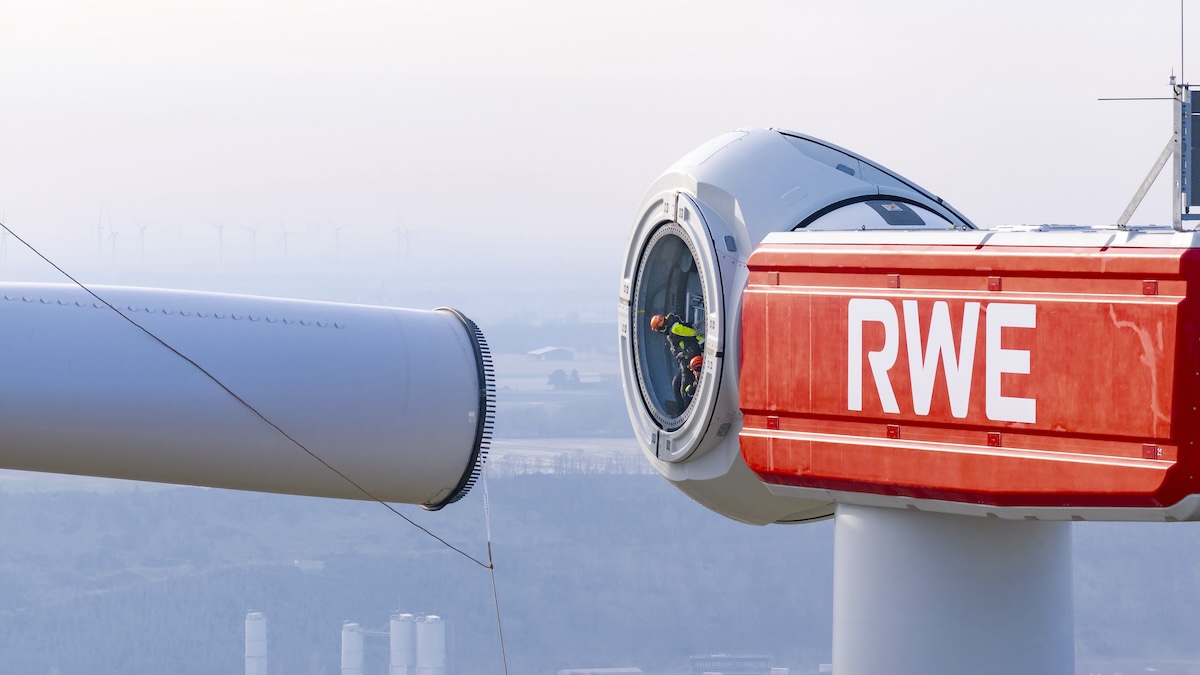
Economics Minister Katherina Reiche (CDU) wants to stop the expansion of wind and solar power in some German regions. In a leaked draft law, the slow network expansion is cited as the reason. Critics speak of a frontal attack on the energy transition. A commentary analysis.
Economics Minister Reiche plans to halt construction of wind and solar
- With a draft bill that, among other things Table Media is availablesays Economics Minister Katherina Reiche overturn central requirements for the energy industrysome of which have been in effect for 25 years. The so-called connection priority for renewable energies will no longer apply in the future. This stipulates that solar and wind turbines are always connected first. Reiche, on the other hand, wants the network operators to be able to decide independently which systems can be connected to the network and which are not.
- The background to the plans is this Slow network expansion in Germanywhich sometimes leads to wind turbines and solar systems having to be shut down if they produce too much electricity. This process is also known as curtailment, which is intended to prevent the power grid from being overloaded. According to the Federal Network Agency In 2024, a total of 3.5 percent of renewable electricity generation was curtailed, which led to costs of 554 million euros.
- The so-called network package stipulates that operators of solar and wind power plants can participate financially in the expansion of the electricity grid. Previous compensation payments are to be canceled for up to ten years due to regulated systems. In the draft, this funding measure for renewables is called the “redispatch reservation”. It is the central basis for system operators to be able to advance the expansion of wind and solar power. According to the draft law, gas and coal-fired power plants should continue to be entitled to compensation.
Climate change is not a discretionary issue
The current draft law from the Ministry of Economics is less in the spirit of network expansion, but rather represents a shift in power as part of the energy transition. Because if connection priority for renewables no longer applies, it will become one Legal entitlement is a matter of discretion. But climate change is not a matter of discretion.
The network operators’ lobbying efforts with Katherina Reiche now appear to have borne fruit. The goal: You want to change from a technical service provider to one Gatekeepers of transformation become. That may sound efficient, but it really stinks.
Because anyone who wants to tackle the sluggish grid expansion by stopping construction of renewables will confuses symptom and cause. Comparable to the question: Do you repair the road or block cars?
Things get even more explosive when it comes to the redispatch reservation. Because anyone who wants to protect fossil power plants through compensation, while operators of wind and solar parks should pay, distorts competition in the fight against climate change.
Clearly, renewables and grid expansion should go hand in hand to guarantee independence, efficiency and affordable electricity prices. At least when it comes to digital transparency The Reiche draft makes quite sensible plans. But instead of relying on blanket construction freezes and unbalanced compensation cuts, Germany would do well to give more gas to network expansion than to fossil power plants.
Voices
- Also RWE boss Markus Krebber practiced sharp criticism at a trade fair on February 10, 2026: “That’s absurd. If you want to pass the redispatch costs on to others, then the network operators have to bear them without being allowed to pass them on to the customers.” According to Krebber, this increases the pressure to expand the networks more quickly without slowing down the energy transition.
- The independent energy expert Tim Meyer “also finds a lot that is right in the draft law”. In one LinkedIn post he writes: “Identify areas with limited network capacity transparently on digital platforms and temporarily regulate other rules of the game contractually? Sounds sensible. Identify network capacities available on digital platforms and implement connection requests digitally? Absolutely! So what’s the catch? Exactly at the point on which the draft doesn’t say a single word: the structural overtaxing of distribution network operators.”
- Carolin Dähling, Head of Policy and Communications at Green Planet Energyin one statement: “The Federal Ministry of Economics’s planned network package is a frontal attack on the energy transition. If the feed-in and connection priority for renewable energies falls, the expansion of wind and solar energy threatens to collapse massively. Minister Reiche is officially sticking to the expansion goals, but what use are solar roofs and wind turbines on paper if new systems cannot be operated economically and no longer have a reliable grid connection?”
Does the pressure on network operators have to increase?
The network package is probably due to the almost exclusively negative criticism be defused at key points. Connection priority could remain in a modified form while digital transparency platforms come and the pressure on network operators increases.
However, if the reform is largely implemented as planned, the Expansion of renewables slowed down in regions with weak grids. Because investors would have to calculate with a higher risk. And: The energy transition would be regionalized – with green hotspots and gray spots.
The political scenario: The dispute over networks, costs and responsibilities becomes a symbolic conflict over speed and priorities. But if the government gives the impression that it is putting renewables on hold, it could Trust crumbles.
However, if it can be proven that better control is not the same as a brake, the network package would not become a brake block, but a Navigation system. Ultimately, the future will not be decided by the mast, but by the size.
Also interesting:
- Moya: Female care robot – with body temperature and silicone skin
- OpenClaw hype: When AI agents get out of control
- PayPal is losing its mojo: business model on the brink of extinction?
- AI junk: This is why YouTube is getting worse and worse
The article Construction freeze for wind and solar: A frontal attack on the energy transition? first appeared on BASIC thinking. Follow us too Google News and Flipboard or subscribe to our newsletter UPDATE.
As a Tech Industry expert, I believe that a construction freeze on wind and solar projects is indeed a frontal attack on the energy transition. Renewable energy sources such as wind and solar are crucial components in the global effort to reduce carbon emissions and combat climate change. By halting the construction of new wind and solar projects, we are not only slowing down the transition to cleaner energy sources, but also hindering the growth of a booming industry that has the potential to create jobs and stimulate economic growth.
It is important for policymakers and decision-makers to understand the significant role that renewable energy plays in the transition to a more sustainable future. By investing in and supporting wind and solar projects, we can reduce our reliance on fossil fuels, decrease greenhouse gas emissions, and ultimately mitigate the impacts of climate change.
Instead of freezing construction on wind and solar projects, we should be encouraging and incentivizing their development. This will not only benefit the environment, but also drive innovation in the tech industry and create new opportunities for growth and investment. It is crucial that we work towards a future powered by clean, renewable energy sources, and a construction freeze on wind and solar projects is a step in the wrong direction.
Credits