The article Auto-Check: The most common TÜV defects first appeared in the online magazine BASIC thinking. With our newsletter UPDATE you can start the day well informed every morning.
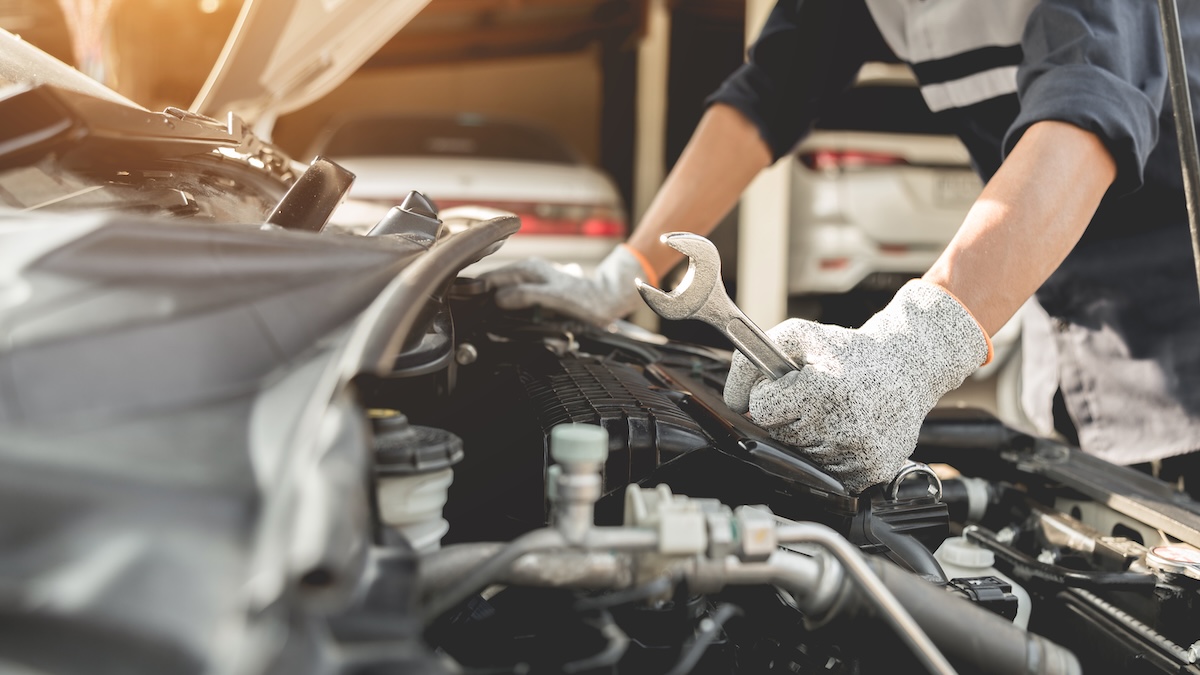
The TÜV checks exactly which possible faults and dangers lurk in a car. The general inspection serves to make vehicles safer on the roads in Germany. In our weekly ranking we show you the ten most common TÜV defects.
Is a car drivable or not? Are there deficiencies that could cause security problems? Or maybe it’s just the windshield wiper that’s not working properly anymore? All of these options are examined and checked by TÜV during the general inspection. If a vehicle exists, there is a new sticker – usually for two years. But time and again, the TÜV inspectors find defects that are more standard and particularly common.
But what are the defects that inspectors at TÜV in Germany keep coming across? The current data, the the TÜV association has publishedprovide the database for our current ranking. From this we can quickly see: These are the ten most common TÜV defects:
The most common defects in the TÜV
Defective brakes, stone chips in the windows – there are a whole range of possibilities why a car doesn’t pass the MOT and comes out of the test with defects. However, there are a number of defects that occur again and again and are therefore particularly common. These are the ten defects that occur again and again in the TÜV and to which the inspectors usually pay more attention.
10th place: vibration damper
There are often defects in vibration dampers that are noticed during TÜV testing. This could be, for example, the rubber stop or the additional spring is damaged. It is also conceivable that the attachment of the vibration damper is defective or that the effect is no longer sufficient. In the TÜV ranking of the most defects, the vibration damper is in tenth place.
The article Auto-Check: The most common TÜV defects appeared first on BASIC thinking. Follow us too Google News and Flipboard or subscribe to our newsletter UPDATE.
As a Tech Industry expert, I believe that keeping up with regular car checks and maintenance is crucial for ensuring the safety and performance of a vehicle. The TÜV inspection, known for its strict standards, is an important aspect of this maintenance routine.
Some of the most common TÜV defects that I have observed include issues with brakes, tires, lights, and exhaust emissions. These are all critical components of a vehicle that can greatly impact its safety and environmental impact.
Brake problems, such as worn brake pads or leaking brake fluid, can lead to decreased stopping power and increase the risk of accidents. Similarly, worn tires can affect traction and handling, while faulty lights can compromise visibility on the road.
Exhaust emissions are also an important aspect of TÜV inspections, as vehicles with high emissions can contribute to air pollution and harm the environment. Regular maintenance and timely repairs can help prevent these defects and ensure that a vehicle passes the TÜV inspection with flying colors.
Overall, staying on top of car checks and addressing any issues promptly is key to keeping a vehicle in top condition and ensuring the safety of both the driver and other road users.
Credits