The article Endurance test: The worst cars in Germany first appeared in the online magazine BASIC thinking. With our newsletter UPDATE you can start the day well informed every morning.
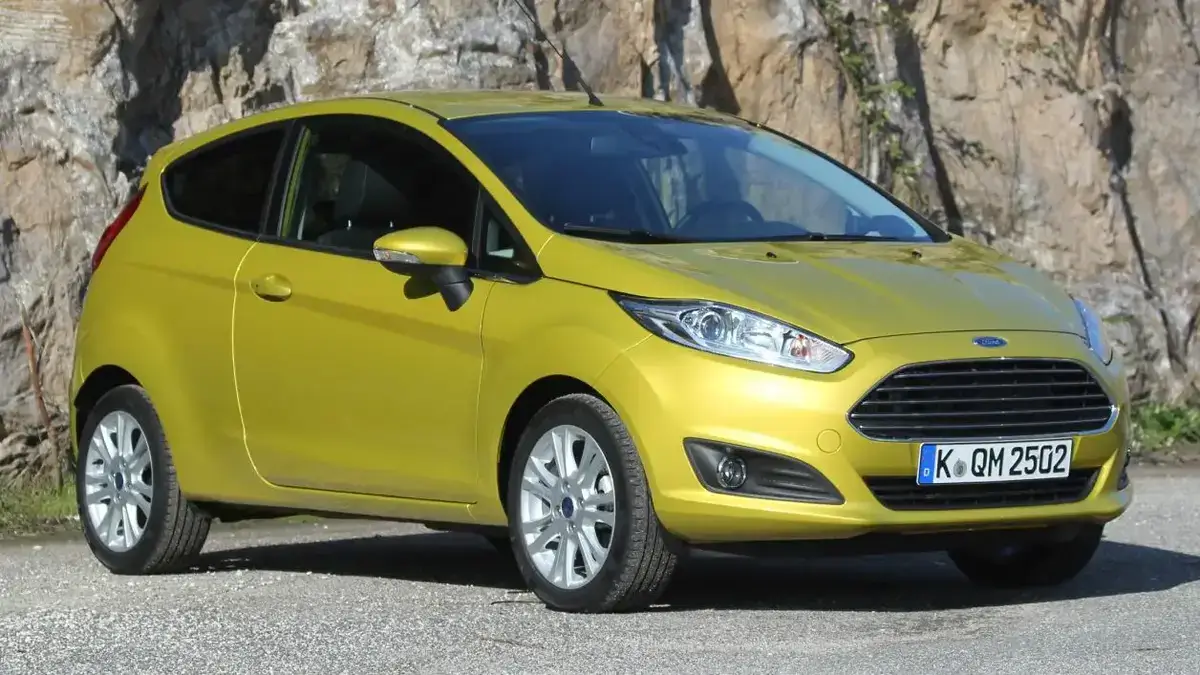
Not every car can convince in long-term tests and some makes even perform very poorly. But what are the worst cars in Germany? In our weekly ranking we show you the ten worst cars in Germany – after 100,000 kilometers of endurance testing.
Some cars drive and cause no problems even after thousands of kilometers. Other vehicles, on the other hand, cause headaches after a relatively short time or spend more time in the workshop than on the road. Therefore, before buying a new car, it is always advisable to do some research and see which are the worst cars in Germany – of course only so that you can then decide on a better model.
But which models are among the worst cars in Germany? One Evaluation of Auto Bild has examined this over many years and our current ranking is based on this. The decision against the individual models is often quite easy.
The worst cars in Germany
If a car does not impress in long-term tests, does not offer sufficient comfort or lacks reliability, it is quickly considered bad. But ultimately different aspects come together. This is our ranking of the worst cars in Germany:
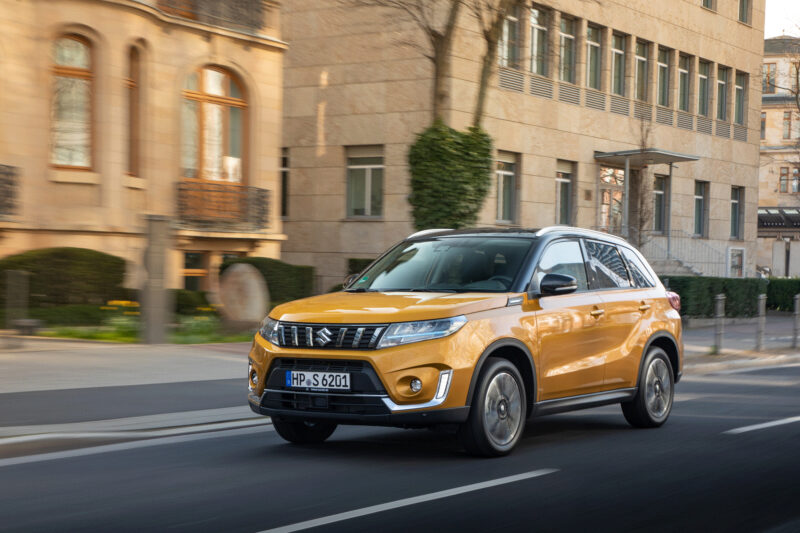
10th place: Suzuki Vitara S
Tenth place in the ranking goes to the Suzuki Vitara S. The Suzuki Vitara S gets an overall grade of 3-. However, the car also has to accept 29 demerit points. This includes, in particular, frequently necessary visits to the workshop. The ranking therefore doesn’t look too good for the Suzuki Vitara S.
The post Long-term test: The worst cars in Germany appeared first on BASIC thinking. Follow us too Google News and Flipboard or subscribe to our newsletter UPDATE.
As a Tech Industry expert, I believe that conducting long-term tests on the worst cars in Germany is crucial for identifying potential issues and improving overall vehicle quality. By thoroughly evaluating these vehicles over an extended period of time, manufacturers can gain valuable insights into areas that need improvement, such as durability, reliability, and safety features.
Additionally, long-term tests can help consumers make informed purchasing decisions by providing them with comprehensive information about the performance and reliability of different car models. This transparency is essential in maintaining trust between manufacturers and customers, as well as in driving innovation and progress within the automotive industry.
Overall, long-term tests on the worst cars in Germany serve as a valuable tool for both manufacturers and consumers, ultimately leading to higher quality products and increased customer satisfaction.
Credits