The article Magnesium-oxygen batteries: A cheap lithium alternative? first appeared in the online magazine BASIC thinking. With our newsletter UPDATE you can start the day well informed every morning.
Researchers have apparently succeeded in developing flexible magnesium-oxygen batteries with an extremely high energy density – without rare earths. They could represent a real alternative to lithium batteries.
Magnesium-oxygen batteries (Mg-O2) could cost-effectively replace expensive lithium systems. Magnesium currently costs around $2,320 per ton, while the lithium required for batteries (depending on the type) costs around $20,000 to $25,000 per ton.
At the same time, the theoretical energy density of magnesium is 6,859 watt hours per liter, while lithium reaches 5,960 watt hours per liter. researchers succeeded recentlyto make significant progress in magnesium-oxygen batteries.
Magnesium amounts of around 3.1 x 10 are stored in the earth’s crust20 Kilogram. The metal makes operation safe because it hardly forms dendrites. These are tiny metal needles that cause short circuits in other batteries. The new technology uses these advantages for energy storage technology without resource scarcity.
Magnesium-oxygen batteries: metal-free cathode and corrosion protection
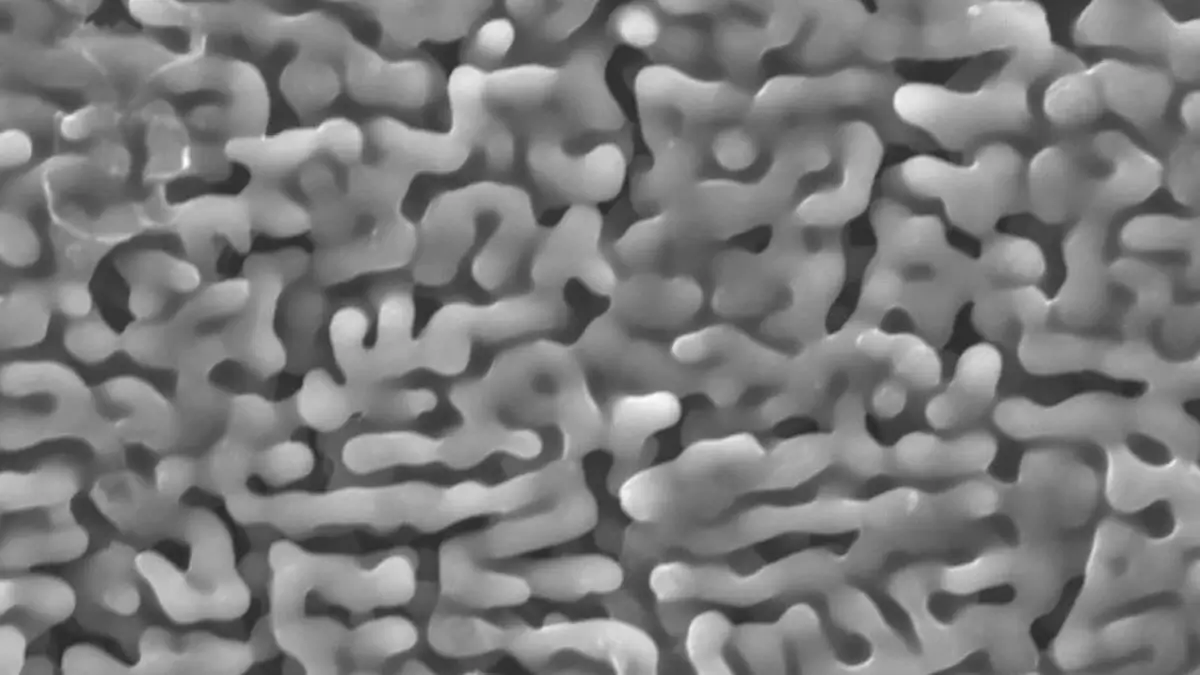
The metal-free cathode consists of a three-dimensional network of nitrogen-doped graphene. With a layer thickness of around 30 micrometers, this component also serves as a current collector. Nitrogen atoms in the lattice accelerate chemical processes without expensive precious metals such as platinum.
Additives such as magnesium chloride (MgCl2) ensure that the battery can be recharged easily. However, these chloride ions chemically attack conventional cathodes made of precious metals. Nitrogen-doped graphene permanently resists this corrosion and enabled 174 charging cycles in the test without loss of functionality.
In liquid test setups, the storage uses a mixture of magnesium bis(trifluoromethanesulfonyl)imide (Mg(TFSI)2) and magnesium chloride in the solvent diglyme. A porosity of the graphene network of up to 99 percent provides space for the discharge product magnesium oxide (MgO). In this environment, the cell achieved a specific capacity of 20,898 milliamperes hours per gram.
The discharge process stores the magnesium oxide directly in the microscopic pores of the network. The battery reaches its capacity limit as soon as these pores are completely blocked and no longer allow gases to pass through. This closure blocks the necessary transport of oxygen and stops the chemical reaction within the cell.
Solid technology and flexibility
The all-solid-state variant uses a gel polymer electrolyte (GPE), which is based on an ionic liquid. This solid electrolyte has an ionic conductivity of 2.7 millisiemens per centimeter at a room temperature of 25 degrees Celsius. It prevents chemicals from leaking and stabilizes the cell type against mechanical stress.
The solid-state battery delivers a specific capacity of 17,934 milliamp hours per gram. Thanks to the mechanical strength of the graphene network, the memory can withstand bending angles of up to 120 degrees in test operation. The cell type maintains a stable voltage of 1.21 volts on average during discharge.
Magnesium-oxygen technologies enable batteries that do not contain rare earths, do not leak and remain mechanically flexible. Avoiding liquid electrolytes and expensive precious metals permanently reduces material costs. The storage technology thus offers a functional basis for long-lasting energy storage in industrial applications.
Also interesting:
- How do lithium-ion batteries actually work?
- E20: What you need to know about the new organic fuel
- Battery technologies in comparison: lithium, sodium, solid state and redox flow
- Buying a used electric car: This is what you should pay attention to
The article Magnesium-oxygen batteries: A cheap lithium alternative? first appeared on BASIC thinking. Follow us too Google News and Flipboard or subscribe to our newsletter UPDATE.
As a Tech Industry expert, I believe that Magnesium-oxygen batteries have the potential to be a promising alternative to lithium batteries. The abundance and low cost of magnesium make it an attractive option for large-scale battery production. Additionally, magnesium-oxygen batteries have the potential to offer higher energy density and longer cycle life compared to traditional lithium-ion batteries.
However, there are still some challenges that need to be addressed before magnesium-oxygen batteries can be widely adopted. One of the main challenges is the development of efficient cathode materials that can effectively store and release oxygen during the battery operation. Additionally, the stability of the electrolyte and the overall battery performance need to be improved for commercial viability.
Overall, I believe that magnesium-oxygen batteries have the potential to be a cost-effective and sustainable alternative to lithium batteries in the future. Continued research and development in this area will be crucial to overcome the current challenges and unlock the full potential of magnesium-oxygen batteries.
Credits