The article PayPal alternatives from Europe: 4 payment providers in comparison first appeared in the online magazine BASIC thinking. With our newsletter UPDATE you can start the day well informed every morning.
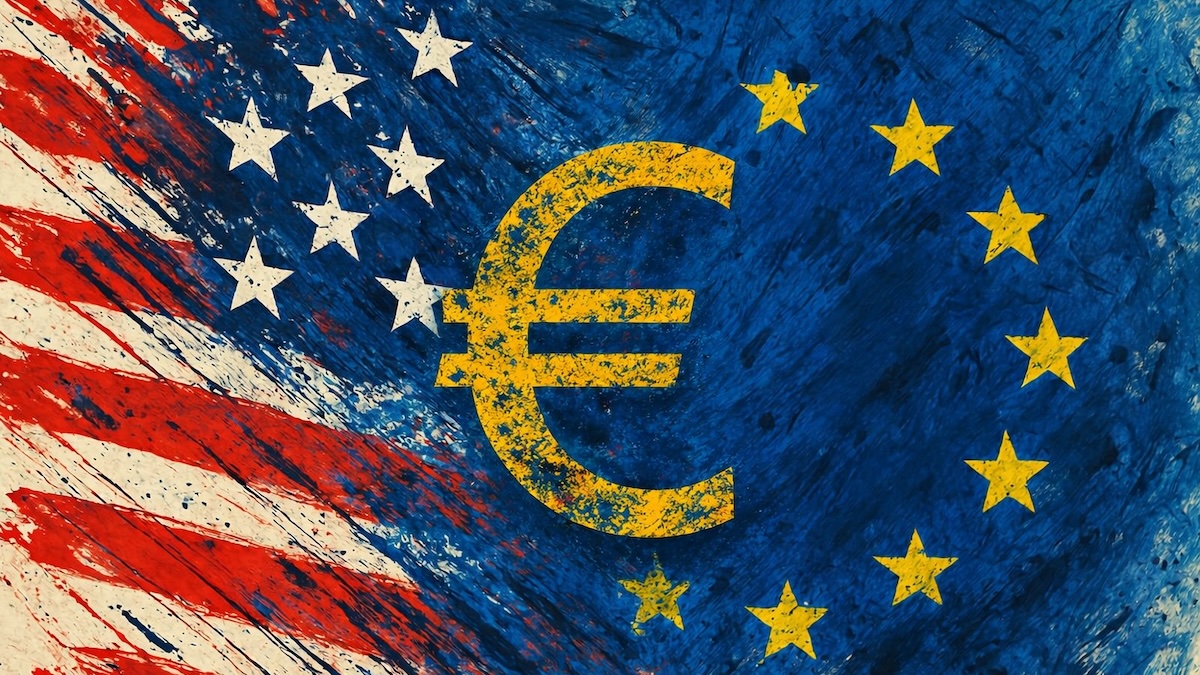
More and more EU citizens want to do without US services – even when paying. But if you want to replace PayPal, you need alternatives that keep up in terms of functionality and security. Europe has caught up in recent years: four payment providers from Denmark, Sweden, Germany and the Netherlands show that it can be done without US technology.
For decades, Europe’s dependence on American technology was accepted and formed the foundation of our modern IT infrastructure. But in addition to the aversion to digital services from China that has grown in recent years, products from the United States are now also being questioned.
Companies like Apple, Microsoft, Amazon, Google and Meta not only have enormous market power, but they also exploit it – sometimes with anti-competitive practices. Many users also have concerns that sensitive data is not safe in the hands of US companies.
Since US President Donald Trump took office again, the topic has become more important again, as the question increasingly arises as to whether the USA is still a reliable partner for Europe. Trump’s foreign and trade policy decisions, such as his tariff policy, at least fuel doubts.
Alternatives to PayPal: Payment providers from Europe are increasingly in demand
Critics see politics and business becoming ever more closely intertwined in the USA, as Trump appears to be working closely with many tech CEOs. Money and progress come first, user interests and data protection must come second. Fortunately, Europe has caught up significantly technologically in recent years.
Many alternatives “Made in Europe” see themselves as a counter-model to American technologies. The providers often rely on sustainability, data protection and clear terms of use. That’s why we present four European payment providers here. We have previously looked at European search engines and email providers.
1. Quickpay
A solution comes from Denmark that is particularly characterized by its flexibility and ability to integrate. Quickpay supports all common credit cards as well as Apple Pay and Google Pay and can easily be integrated into almost any relevant CMS system. A highlight is the “Omnichannel” function, through which online payments and in-store transactions are processed via a single, unified system. With SoftPOS, Quickpay also offers a modern alternative to classic terminals, thanks to which a simple Android device becomes a mobile cash register. For a basic fee of seven euros per month and a transaction fee of 0.10 euros, small and medium-sized companies receive a professional solution. There are individual tariffs for large customers.
2. Klarna
Klarna is probably the best-known name in European e-commerce. The Swedish provider has established itself as an alternative to PayPal by focusing on the user experience. Klarna is best known for its flexible payment methods, which allow customers to choose between purchasing on account or paying in installments. Klarna employs over 150 experts who focus exclusively on fraud prevention. Klarna also relies on sophisticated encryption and strict two-factor authentication (2FA). Thanks to the app, users can access functions such as buyer protection and cashback deals.
3. oz
A payment provider is also being developed in Germany. Anyone who values seamless integration and full control over their own branding should take a closer look at Unzer. The company specializes in increasing “conversion”, i.e. the purchase completion rate, in online shops. Statistics show that shops that offer flexible payment methods such as invoice or installment purchase can generate up to 40 percent fuller shopping carts and up to 18 percent more sales. Unzer can be integrated in such a way that no third-party provider is visible to the end customer and there is no unnecessary data transfer to external companies. Unzer also stands out due to its strong commitment to ESG (environmental, social and governance).
4. Adyen
If you look at Adyen’s customer list, it quickly becomes clear that they are a global player. Zalando, Spotify, eBay and Uber all rely on the technology from Amsterdam. Adyen was founded in 2006 with the aim of replacing the financial world’s aging infrastructure with a modern platform. Adyen is a pure financial technology platform that combines payment processing, data optimization and financial products into a single solution. With over 28 offices worldwide and a processed volume of almost one trillion euros, Adyen shows that European technology can lead the market.
Conclusion: Payment provider from Europe as an alternative to PayPal
If you are a private user looking for a real alternative to PayPal, you can hardly ignore Klarna. The app is intuitive, the buyer protection is solid and functions such as installment payments or cashback make everyday online shopping noticeably easier. Klarna is the only provider on this list that is aimed directly at end consumers – and at a level that is on par with PayPal in many respects.
For retailers and companies, the choice depends on the business model. Small and medium-sized shops that are looking for an uncomplicated solution with fair fees are well advised to use Quickpay. If you want maximum control over branding and higher conversion rates, you should check out Unzer.
And for companies that want to scale internationally, there is no way around Adyen – it is not without reason that companies like Zalando and Spotify rely on the Amsterdam-based platform. All four providers show one thing: Europe no longer has to hide behind the USA when it comes to digital payments.
Also interesting:
- Fuel prices at a record high: This is how much electric cars and combustion engines cost per 100 km
- Save unnecessary costs in everyday life: 9 tips for reducing electricity consumption
- AI destroys jobs – does Germany need an unconditional basic income?
- Mini nuclear power plants: lots of PR with little power
The post PayPal alternatives from Europe: 4 payment providers in comparison appeared first on BASIC thinking. Follow us too Google News and Flipboard or subscribe to our newsletter UPDATE.
As a Tech Industry expert, I believe that there are several European payment providers that offer viable alternatives to PayPal. Four notable options include Adyen, Klarna, Stripe, and PayU.
Adyen is a Dutch payment company that has gained significant traction in the market due to its omni-channel payment solutions and global reach. It offers a seamless payment experience for both merchants and customers, with a focus on security and fraud prevention.
Klarna, a Swedish payment provider, is known for its “buy now, pay later” model, which allows customers to make purchases and pay for them in installments. This flexibility has made Klarna popular among consumers, while also offering merchants a way to increase conversion rates and reduce cart abandonment.
Stripe, headquartered in Ireland, is a leading online payment processing platform that is popular among e-commerce businesses for its developer-friendly API and customizable features. It offers a range of payment options and supports multiple currencies, making it a versatile choice for merchants looking to expand globally.
PayU, a Polish payment provider, offers a comprehensive suite of payment solutions for online businesses, including payment processing, fraud detection, and customer authentication. Its strong presence in emerging markets in Europe and beyond makes it a valuable partner for merchants looking to scale their operations.
Overall, these European payment providers offer a diverse range of features and capabilities that can cater to the needs of various businesses. While PayPal remains a popular choice for many, exploring alternatives such as Adyen, Klarna, Stripe, and PayU can provide merchants with more options and potentially better solutions for their payment processing needs.
Credits