The article Researchers develop intelligent material for human AI devices first appeared in the online magazine BASIC thinking. With our newsletter UPDATE you can start the day well informed every morning.
Researchers have developed a smart material that could take AI devices to a new human-like level. It should work differently depending on the stimulation and be able to adapt like a synapse.
For decades, researchers around the world have been trying to find alternatives to silicon for certain applications. The idea behind it is the production of electronic components based on certain molecules. But they often failed because these molecules usually behave unpredictably and cannot be put together so easily.
So-called neuromorphic computing pursues a similar goal. The basis is hardware that is inspired by the brain. The goal is to produce a material that can store information, perform calculations and be customizable at the same time. Currently used approaches are often based on oxide materials and filamentary circuits. But these still only function like carefully constructed systems that imitate learning.
Neuromorphic computing: Device adapts based on stimulation
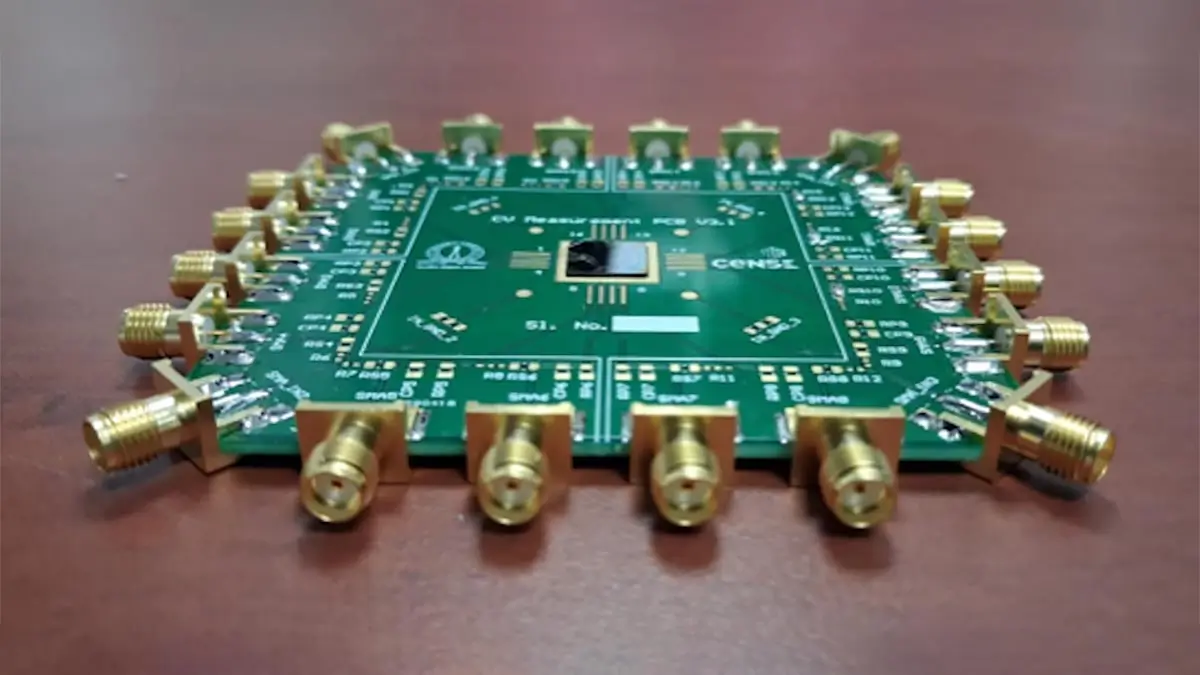
New Research results from India suggest that both problems can be solved using the same approach. A team at CeNSE created a small molecular device that can perform various tasks. The basis lies in how the researchers stimulate the device.
It can store information and can be a logic gate, a selector, an analog processor or an electronic synapse. Chemical design and computers should go hand in hand. The scientists produced 17 specially designed ruthenium complexes.
These are chemical compounds in which a central ruthenium atom is surrounded by ligands. Due to their stability and versatility, these are used primarily as catalysts, in cancer therapy and in photochemistry. The team then examined how small changes in the shape of the molecule and the surrounding ionic environment influence the behavior of the electrons.
Will even more efficient and intelligent AI hardware be coming soon?
By adjusting the ligands and ions, the device showed different functions. The researchers observed that switching from analog to digital and vice versa is possible without any problems. There is a lot of theoretical knowledge behind the research about physics and quantum theory.
The approach is intended to pave the way for neuromorphic hardware, where learning can be encoded directly into the material itself. The team is already working on placing the materials on silicon chips. The goal is to develop future AI hardware that is both energy efficient and inherently intelligent.
Also interesting:
- This is how you find out everything ChatGPT knows about you
- Depot move: What you should definitely pay attention to
- ChatGPT: Activate the reminder function – this is how it works
- ChatGPT 5.2: The new AI model from OpenAI in the test
The post Researchers develop intelligent material for human AI devices appeared first on BASIC thinking. Follow us too Google News and Flipboard or subscribe to our newsletter UPDATE.
As a tech industry expert, I find the development of intelligent materials for human AI devices to be a fascinating and promising area of research. The use of advanced materials that can interact with artificial intelligence in a more intelligent and responsive way has the potential to revolutionize the capabilities of AI devices and improve their performance in a wide range of applications.
Intelligent materials that can adapt to changing conditions, self-heal, or respond to external stimuli could greatly enhance the functionality and versatility of AI devices. For example, imagine a smart wearable device made of intelligent materials that can monitor your health in real-time and provide personalized recommendations based on your individual needs.
Additionally, the development of intelligent materials for human AI devices could also lead to advancements in fields such as robotics, prosthetics, and wearable technology. These materials could enable robots to better mimic human movements, improve the comfort and functionality of prosthetic limbs, and enhance the performance of wearable devices.
Overall, I believe that the research and development of intelligent materials for human AI devices hold great promise for the future of technology and have the potential to significantly impact our daily lives in a positive way. I am excited to see how this technology evolves and how it will shape the future of AI devices.
Credits