The article Simply explained: How does a wind turbine actually work? first appeared in the online magazine BASIC thinking. With our newsletter UPDATE you can start the day well informed every morning.
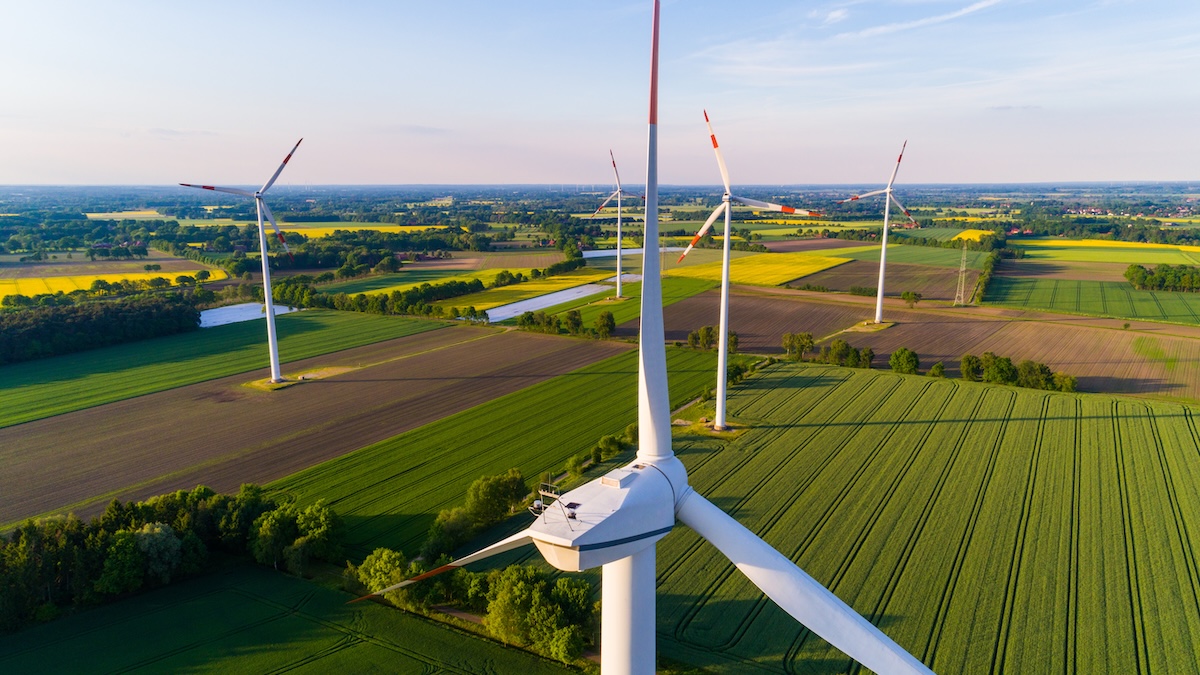
The wind turbine is considered a central pillar of the energy transition. Because it can convert the power of the wind into electrical energy and thus cover the increasing demand for electricity in a climate-friendly manner and reduce dependence on fossil fuels. But how does a wind turbine actually work and what technology is behind the huge rotor blades?
The federal government is committed to significantly expanding wind power on land and at sea in order to achieve its climate goals. by 2030 at least 80 percent of electricity in Germany comes from renewable sources.
In addition to solar energy, wind power is also expected to be significantly expanded in the coming years. By 2030, wind energy generated on land is expected to increase to 115 gigawatts and at sea to 30 gigawatts. For comparison: at the end of 2025 the total was installed capacity of wind energy at around 77 gigawatts.
The figures for the planned expansion show what an important role wind energy plays in the German electricity system and should play an even greater role in the future. But behind the ambitious figures there is also a fundamental technical question: How can we actually generate electrical energy from a natural air current?
How does a wind turbine work?
Wind energy is one of the most important pillars of the energy transition in Germany. Depending on the weather, wind is an unlimited and free source of energy in nature.
Wind turbines can use this natural energy and convert the movement of the rotor blades into electrical energy. The system behind it works similarly to a bicycle dynamo, which can also convert the energy from the movement of the wheel into electric light.
In a wind turbine, on the other hand, the aerodynamically shaped rotor blades are set in motion by the inflow of air. The wind gives the rotor blades a boost – similar to an airplane – and creates a rotational movement.
The now moving rotor in the middle of the blades is connected to a generator in the nacelle of the wind turbine. This takes on the role of a bicycle dynamo and can now convert the rotational energy into electrical energy.
The amount of electrical energy generated depends on how much wind hits the rotor blades. The stronger the air currents hit the wind turbine, the more electrical energy can be generated.
How does the electricity from the wind turbine get into the power grid?
Of course, in order for a wind turbine to generate electricity, it also needs sufficient wind. As a rule, modern turbines start rotating at a wind speed of around three to four meters per second.
They reach their maximum performance at around twelve to 15 meters per second. For safety reasons, however, they are switched off at wind speeds of more than 25 meters per second.
It doesn’t matter which direction the wind comes from. Modern wind turbines can automatically rotate in the direction of the wind so that their rotor blades always receive optimal flow.
If there is enough wind, the wind turbine can generate electrical energy. But how does it get to the socket at home?
To do this, the electricity generated must pass through a complex network of lines. First, the generator in the wind turbine’s nacelle converts the mechanical energy of the rotor blades into electrical energy.
This in turn is then adapted to the voltage of the power grid via transformers and transported to regional substations via high-voltage lines. From there, the electricity can then be fed into households via medium and low voltage lines and used directly from the socket.
Also interesting:
- Researchers develop Tofu battery with a lifespan of 328 years
- Pseudo-noise and infrasound: No evidence for wind turbine myths
- Greenwashing: Study exposes AI climate promises as misleading
- Cheaper than oil and gas: study reveals heat pump fallacy
The article Simply explained: How does a wind turbine actually work? first appeared on BASIC thinking. Follow us too Google News and Flipboard or subscribe to our newsletter UPDATE.
As a Tech Industry expert, I believe that explaining how a wind turbine works in simple terms is important for educating the general public about renewable energy sources. Wind turbines work by converting the kinetic energy from the wind into mechanical power, which can then be used to generate electricity.
The blades of the wind turbine are designed to capture the energy from the wind and spin a rotor connected to a generator. As the rotor spins, the generator creates electricity that can be used to power homes, businesses, and other electrical systems.
Overall, wind turbines are an effective and sustainable way to harness the power of the wind and generate clean energy. By understanding the basic principles of how wind turbines work, individuals can appreciate the importance of renewable energy sources in combating climate change and reducing our reliance on fossil fuels.
Credits