The article Solid-state battery: New high-tech battery from Europe first appeared in the online magazine BASIC thinking. With our newsletter UPDATE you can start the day well informed every morning.
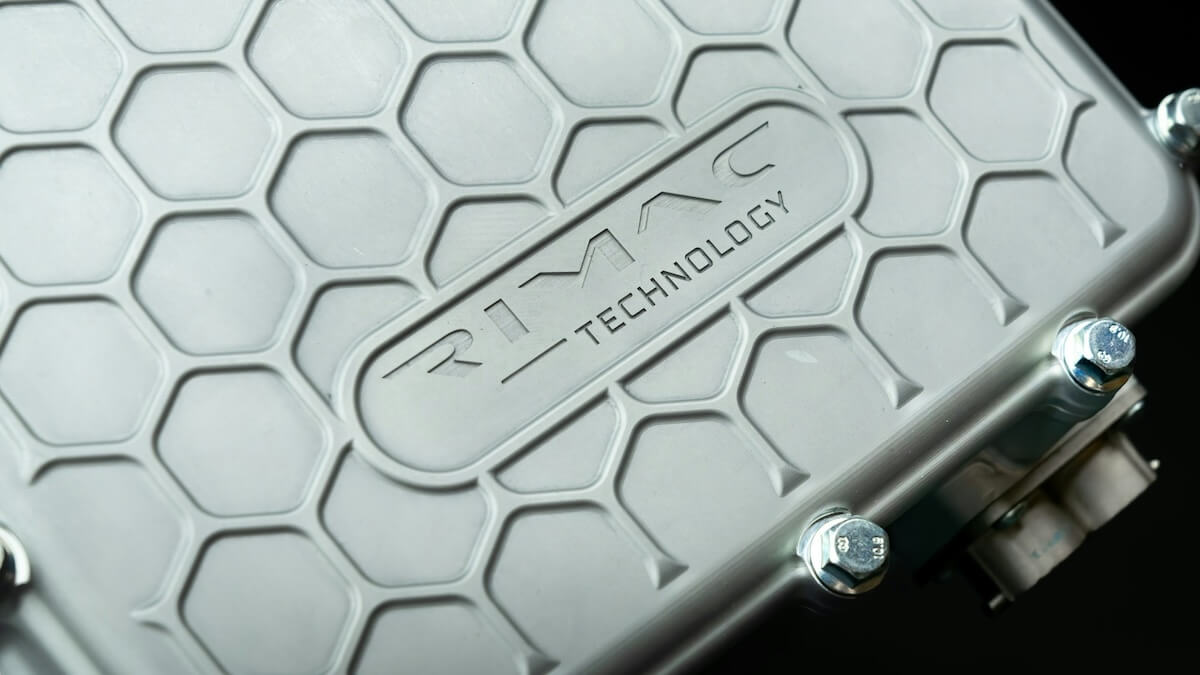
The Croatian car manufacturer Rimac is working on a new solid-state battery that could take the supply of electric cars to a new level. The package should be up to 30 kilograms lighter than classic batteries and offer significantly more energy.
Solid-state batteries are considered one of the most promising future technologies in the automotive industry. This is because they can achieve significantly higher energy densities than current lithium-ion batteries.
For automobile companies, this can bring decisive advantages in terms of the range of electric cars. Because with the same weight, solid-state batteries can provide greater range.
The Croatian company Rimac Technology is moving much closer to the dream of solid-state batteries for the road with its current developments, according to its own statements. like the British trade magazine Autocar reported. The manufacturer wants to bring its solid-state batteries onto the market by the end of the decade.
Is this solid-state battery from Europe revolutionizing electromobility?
Solid-state cells also offer additional advantages for the automotive industry due to their design, as they do not require liquid, flammable electrolytes. This allows these batteries to be much more resistant to overheating or fires.
Solid-state batteries also offer faster charging times and a longer service life. This in turn has an impact on long-term costs and driver comfort.
The solid-state battery from Rimac, which is currently being tested, is said to have a capacity of 100 kilowatt hours. The Croatian manufacturer is working on this together with the cell manufacturer ProLogium and the composite materials experts from Mitsubishi
Rimac expects its prototype to have 20 to 30 percent higher energy density than a conventional battery. The solid-state cell is also around 30 kilograms lighter. The reason for this is the very light and extremely rigid composite housing, which is provided by Mitsubishi.
No large-scale mass production planned
Nurdin Pitarevic, deputy CEO of Rimac Group, explains in an interview with Autocarthat the developed solid-state battery should be on the roads by the end of the decade. This could be the case in a new Bugatti model that the car manufacturer plans to bring to market in 2030.
Pitarevic also assumes that the cost of the solid-state battery will be on par with current standard cells by 2035. However, the Croatian manufacturer has no intention of mass-producing solid-state batteries at conventional prices. However, it is conceivable that Rimac will license its own technology for battery production to other companies.
Also interesting:
- Why electric cars use more energy on the highway
- Green Prompting: How to keep AI’s energy consumption in check
- Social leasing of e-cars: This is how the funding works
- When does a balcony power plant become worthwhile?
The post Solid-state battery: New high-tech battery from Europe appeared first on BASIC thinking. Follow us too Google News and Flipboard or subscribe to our newsletter UPDATE.
As a Tech Industry expert, I am excited about the advancements in solid-state battery technology coming from Europe. Solid-state batteries have the potential to revolutionize the energy storage industry by offering higher energy density, faster charging times, and improved safety compared to traditional lithium-ion batteries.
These new high-tech batteries have the potential to power a wide range of devices, from smartphones to electric vehicles, and could help drive the transition to a more sustainable energy future. I believe that solid-state batteries will play a crucial role in the development of next-generation technologies and I am eager to see how they will continue to evolve and impact the tech industry in the coming years.
Credits