The article Swarm power plant: Energy fish are now swimming in the Rhine appeared first in the online magazine BASIC thinking. With our newsletter UPDATE you can start the day well informed every morning.
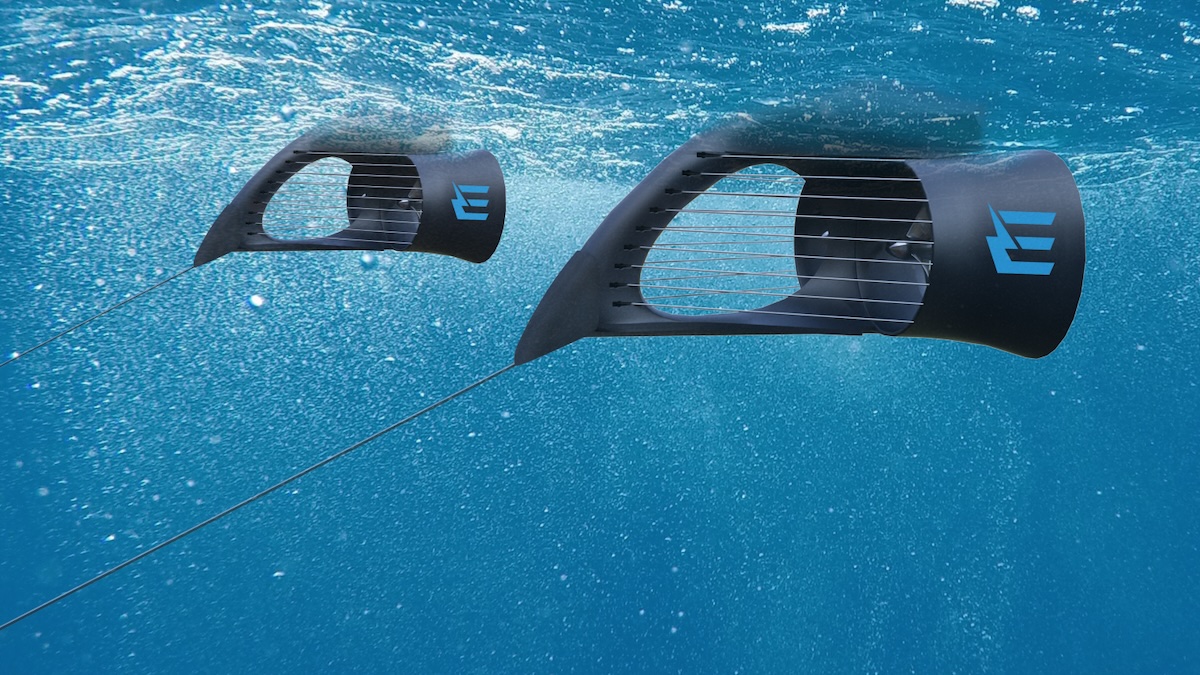
The world’s first swarm power plant is currently being built in the middle of the Rhine to generate clean electricity. A swarm of floating “Energyfish” turbines utilize the river’s natural current and can supply hundreds of households with renewable electricity.
Hydropower is one of the oldest and most reliable forms of renewable energy. Because it uses the natural movement of water, for example in rivers, to drive turbines and generate electricity.
Compared to wind or solar energy, hydropower has a decisive advantage: it is often available continuously and causes hardly any greenhouse gas emissions during operation. In addition, many systems are long-lasting and can produce electricity for decades.
Traditionally, hydropower is primarily used through dams and large hydroelectric power plants. Water is dammed in a reservoir and passed through turbines in a controlled manner to generate electrical energy.
Although this approach supplies large amounts of electricity, the construction of dams also has a major impact on natural river systems. The German company Energyminer wants to change that and is committed to it developed an environmentally friendly technology.
“Energyfish” swarm power plant is intended to generate electricity in the Rhine
The “Energyfish” swarms are small, floating turbines that work directly in the natural flow of a river. The water does not have to be dammed up for use, as you can use the existing flow and thus generate electricity.
In Rhineland-Palatinate, Energyminer GmbH’s technology has now received the green light for the first time. In Sankt Goar, 124 floating hydroelectric power plants in the Rhine will generate electricity in the future and thus supply more than 460 households. Three of them have already been installed, and 21 more are to follow.
“A type of electricity generation that produces electricity independently of other countries, even at night and without wind, in a renewable, climate- and environmentally friendly way, is now available with swarm power plants – and for the very first time it will be used here in Rhineland-Palatinate,” explains Rhineland-Palatinate’s Environment and Climate Protection Minister Katrin Eder.
At the selected location, the Rhine offers the ideal conditions for an “Energyfish” swarm power plant with flow speeds of one and a half to two meters per second. The individual turbines are anchored in the riverbed and can be installed without heavy equipment.
Swarm power plants also work in ice and flood conditions
A single “Energyfish” can produce around 15 megawatt hours of electricity per year, while a swarm with 100 turbines can produce 1.5 gigawatt hours. According to Energyminer, such a swarm can save around 1,300 tons of CO2 per year.
The “Energyfish” has an integrated fish protection that was specially developed to protect fish. This is intended to reliably protect fish from injuries or interference with their natural movement. Have fish tolerance Scientists at the Technical University of Munich confirmed in a study.
The swarm power plant can continue to work even during floods or ice. The “Energyfish” can automatically adapt to the given situations and, for example, sink to the bottom of the river and thus protect itself.
Also interesting:
- Gas cost trap? Study warns of risk of billions from new gas power plants
- Simply explained: How does a wind turbine actually work?
- 120-year-old idea: Researchers modernize Edison’s nickel-iron battery
- Electricity from wastewater: Microbes turn sewage treatment plants into green energy sources
The article Swarm power plant: Energy fish are now swimming in the Rhine appeared first on BASIC thinking. Follow us too Google News and Flipboard or subscribe to our newsletter UPDATE.
As a tech industry expert, I am fascinated by the innovative concept of a swarm power plant utilizing energy fish in the Rhine River. This unique approach to generating renewable energy demonstrates the potential for creative and sustainable solutions in the field of power generation.
By harnessing the natural movement of fish in the river to create electricity, this technology not only provides a new source of clean energy but also has the potential to have minimal impact on the environment. The idea of using living organisms to generate power is a cutting-edge concept that could have far-reaching implications for the future of energy production.
I believe that the development and implementation of swarm power plants like this one highlight the importance of thinking outside the box when it comes to addressing our energy needs. By embracing innovative technologies and sustainable practices, we can move towards a more environmentally friendly and efficient energy system. I look forward to seeing how this technology evolves and how it can be applied in other contexts to further advance the renewable energy sector.
Credits