The article Brain Fry: AI monitoring in the workplace significantly increases the risk of burnout was first published by the online magazine BASIC thinking. With our newsletter UPDATE you can start the day well informed every morning.
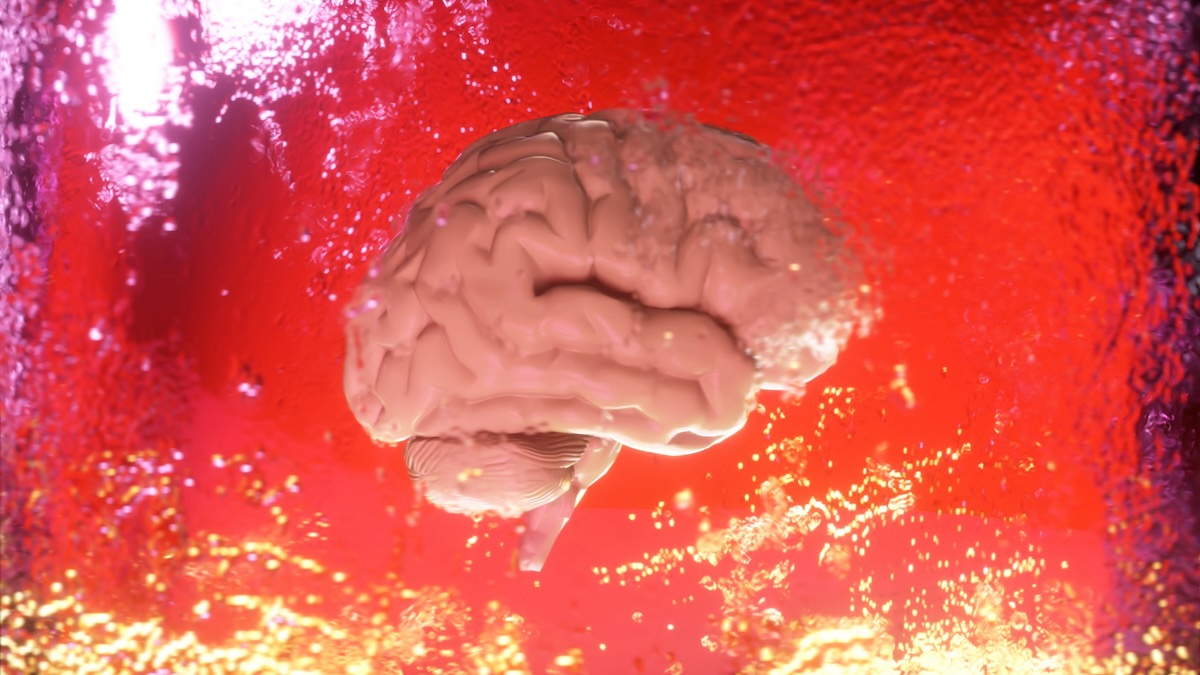
AI should make everyday work easier. But a new study by the Boston Consulting Group of 1,500 employees shows a surprising downside. Those who intensively monitor AI systems suffer from significantly higher levels of mental fatigue, a phenomenon the researchers call “brain fry.” The article shows at what point AI use becomes counterproductive and why top performers are particularly at risk.
In recent years, artificial intelligence has rapidly developed from a niche topic to a key technology in many people’s everyday lives. AI is changing how people work, make decisions and even communicate.
In many companies, algorithms now automate routine tasks. This supposed gain in efficiency through the use of AI has also noticeably increased expectations of productivity and availability.
A new study shows that this can in turn have an impact on performance. Accordingly, certain usage patterns of AI lead to cognitive fatigue – a phenomenon that the researchers call “brain fry”.
Through the use of AI: How does “brain fry” occur – and who is hit hardest?
For their study they… Boston Consulting Group Researcher Around 1,500 full-time employees in the USA from large companies in various industries, functions and hierarchy levels were surveyed about their everyday work with AI. This included, among other things, the patterns and extent of AI use, their work experiences and their cognitive and emotional stress.
The researchers were able to determine that the phenomenon of cognitive fatigue caused by intensive monitoring of AI systems is actually real. They call this phenomenon “AI Brain Fry” – i.e. AI-related brain exhaustion.
In this context, respondents described a feeling of buzzing or mental confusion. These in turn are accompanied by difficulty concentrating, slower decision-making and headaches.
For companies, such a development can bring exactly the opposite of the expected productivity gain. The AI-related mental stress can lead to increased errors and even decision fatigue and intention to quit.
Despite the observed effects, the researchers point out that mental fatigue is increasing. However, burnout levels decrease when AI takes over routine tasks. “This highlights the subtle but important difference between the types of stress AI can alleviate and those it can exacerbate,” it says about it in the Harvard Business Review. AI-supported workflows would therefore have to be designed in such a way that the risk of burnout is reduced.
14 percent more effort: Why AI monitoring is so exhausting
The survey results show a clear trend: For employees, direct monitoring of AI tools is the most cognitively stressful. The study participants who had a particularly high level of AI monitoring at work showed 14 percent more mental effort at work.
This was also accompanied by a twelve percent higher level of mental exhaustion. Additionally, information overload was 19 percent higher with more intensive AI monitoring.
Employee productivity is also influenced by the use of AI tools. The researchers observed that productivity increases when two AI tools are used instead of one. If a third tool is added, productivity increases again, but more slowly. With additional tools, the productivity values decrease again.
At the same time, the study shows a critical side effect of intensive AI use in the form of increasing intentions to quit. Those employees who use AI particularly frequently and are therefore often among the top performers in a company are at greater risk.
While around 25 percent of employees without significant mental exhaustion due to AI are actively thinking about changing jobs, this proportion is 34 percent among users who are heavily stressed. This corresponds to an increase in the intention to quit by 39 percent.
Also interesting:
- Social media and AI: Children are becoming dumber for the first time
- AI in war: Experts warn of dangerous loss of control
- DFKI develops AI detector: expose fake images via Instagram
- Loss of reality: AI agents are developed without the world of work in mind
The post Brain Fry: AI monitoring in the workplace significantly increases the risk of burnout appeared first on BASIC thinking. Follow us too Google News and Flipboard or subscribe to our newsletter UPDATE.
As a Tech Industry expert, I believe that while AI monitoring in the workplace can be useful for tracking productivity and efficiency, it must be implemented carefully to avoid increasing the risk of burnout among employees. Constant surveillance and monitoring can create a high-pressure environment where employees feel like they are constantly being watched and judged, leading to increased stress and anxiety.
It is important for companies to strike a balance between using AI monitoring tools for productivity purposes and respecting the privacy and well-being of their employees. This could involve setting clear boundaries for when and how monitoring is used, providing support and resources for employees experiencing burnout, and fostering a culture of trust and transparency within the workplace.
Ultimately, the goal of implementing AI monitoring in the workplace should be to improve efficiency and performance, not to create a toxic work environment that puts employees at risk of burnout. By approaching the use of AI monitoring tools with empathy and consideration for the well-being of employees, companies can harness the benefits of technology while also prioritizing the mental health and happiness of their workforce.
Credits