The article Compulsory from July 2026: New EU cars get an Alcolock connection first appeared in the online magazine BASIC thinking. With our newsletter UPDATE you can start the day well informed every morning.
From July 2026, every newly registered car in the EU must have a connection for an alcohol immobilizer. The reason: One in four traffic deaths in Europe is still related to drunk driving. Studies show that so-called alcohol locks can drastically reduce the number of alcohol-related trips.
Despite modern safety systems, thousands of people still die in road traffic in the EU every year. 2024 alone came across Europe almost 20,000 people killed in traffic accidents.
One of the most common causes of serious traffic accidents is drinking and driving. According to the EU around one in four traffic fatalities in Europe associated with alcohol consumption.
In order to further reduce the number of serious and fatal accidents, the EU is relying on stricter road safety requirements. The “Vision Zero” strategy stipulates that fatal traffic accidents should be prevented as completely as possible by 2050.
By 2030, the EU wants to reduce alcohol-related road deaths by at least 50 percent. To achieve this, it relies, among other things, on technical measures. The so-called alcohol immobilizers can prevent a vehicle from starting if alcohol consumption is detected.
How does an Alcolock work – and what will be mandatory in the car from July 2026?
Even small amounts of alcohol can significantly impair your ability to react and attentiveness and lead to misjudgments and an increased risk of accidents. In the future, the EU should therefore all new vehicles be technically equipped so that a so-called Alcolock system could be connected.
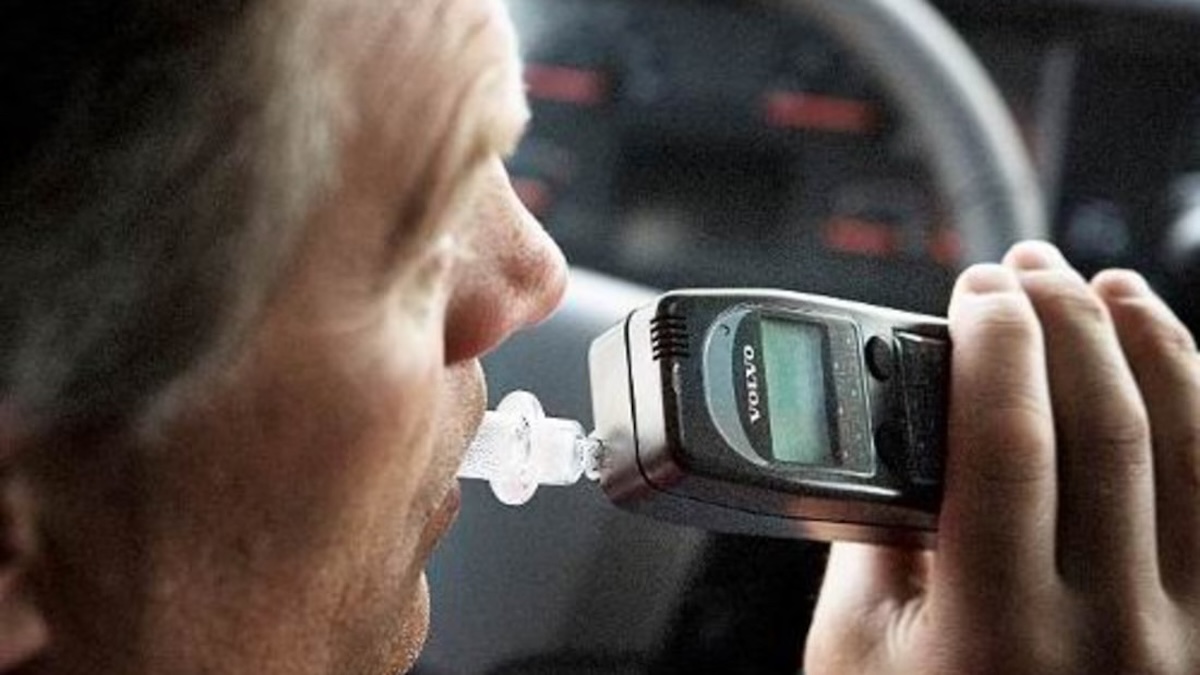
This is a so-called per mille immobilizer for vehicles. The driver has to blow into a mouthpiece before the engine can be started.
The device then measures the alcohol content of the breath. If the value is above a set limit, the car is prevented from starting. The technology is designed to prevent people from driving under the influence of alcohol.
Although there is no compulsory installation for all vehicles, the Alcolock systems must be easy to retrofit in the future. From July 2026 you have to According to reports Therefore, all newly registered vehicles contain such an interface.
The EU regulation stipulates that in addition to an electrical connection there must also be a physical installation location. This should make it easier for the systems to be retrofitted – for example within the framework of national regulations.
Two thirds fewer relapses: This is how effective Alcolocks are in practice
Alcohol immobilizers are not a completely new instrument for regulating road traffic in Europe. Alcolocks are already being used in some European countries – especially for drivers who have already become conspicuous by drinking and driving. Including:
- Belgium
- Denmark
- Finland
- France
- Italy
- Lithuania
- Poland
- Sweden
Studies show that these systems can significantly reduce the number of alcohol-related driving and violations over their lifetime. In one randomized study in the USA This was clearly demonstrated with around 1,400 drivers who were found to be drinking.
Only 2.4 percent of participants with an Alcolock installed were found guilty of drunk driving again. In the comparison group without an alcohol immobilizer it was 6.7 percent. This meant that the risk of relapse in the Alcolock group was significantly lower, reduced by around two thirds.
Also interesting:
- E-cars are supposed to make you fat: Why charging stations are a myth
- Fraunhofer study: Free e-car parking saves 63,000 tons of CO2
- Study confirms: More electric cars improve air quality
- Buying a used electric car: This is what you should pay attention to
The article Compulsory from July 2026: New EU cars get an Alcolock connection appeared first on BASIC thinking. Follow us too Google News and Flipboard or subscribe to our newsletter UPDATE.
As a Tech Industry expert, I believe that the introduction of compulsory Alcolock connections in new EU cars from July 2026 is a significant step towards improving road safety and reducing the number of accidents caused by drunk driving. Alcolocks, which require drivers to pass a breathalyzer test before starting their vehicles, have been shown to be effective in preventing alcohol-impaired driving.
By making Alcolocks mandatory in all new cars, the EU is sending a clear message that drunk driving will not be tolerated. This measure has the potential to save lives and prevent injuries on the road, as well as reduce the social and economic costs associated with alcohol-related accidents.
From a technological standpoint, the integration of Alcolock connections in new cars will require collaboration between automakers, software developers, and regulatory bodies to ensure seamless implementation and compliance. It will also open up opportunities for innovation in the automotive industry, as companies work to develop more advanced and user-friendly Alcolock systems.
Overall, I see the compulsory introduction of Alcolock connections in new EU cars as a positive development that will contribute to making our roads safer for everyone. It is a proactive measure that harnesses technology to address a critical public health issue, and I believe it has the potential to have a lasting impact on road safety in the EU and beyond.
Credits