The article 7 things you should know about dynamic electricity tariffs first appeared in the online magazine BASIC thinking. With our newsletter UPDATE you can start the day well informed every morning.
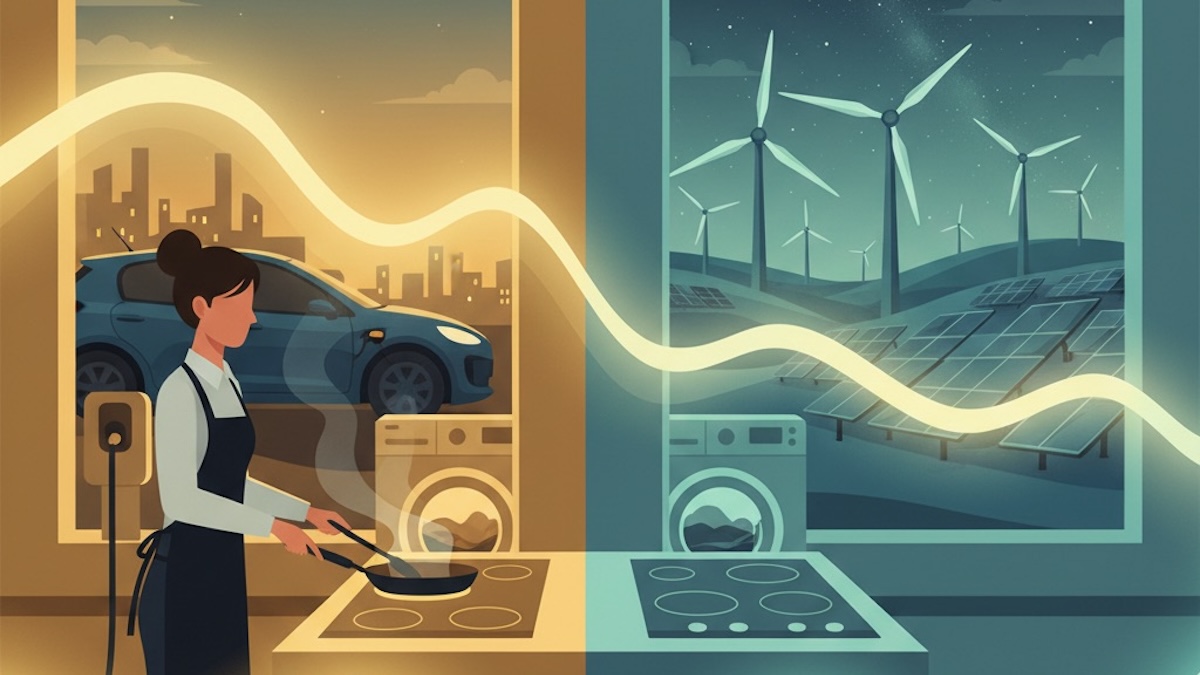
The same thing every evening: turn on the washing machine, turn on the stove, maybe plug in the electric car and at the end of the year the electricity bill arrives, which is incomprehensible. The problem is often not with consumption, but with when and at what price the electricity flows. Dynamic electricity tariffs can change that and most households don’t even know they exist.
Imagine: You’re cooking around 7 p.m., the washing machine is running at the same time, and somewhere in the background the car is charging. You don’t think about electricity, why should you? You pay a fixed price. What you don’t know: At this very moment, electricity is particularly expensive on the stock exchange. So you pay the full price for energy that you use at one of the most inconvenient times of the day. That doesn’t have to be the case and with one dynamic electricity tariff you can actively change that.
Discover dynamic electricity tariffs at Octopus now
What is a dynamic electricity tariff anyway?
With a classic tariff, you pay the same price per kilowatt hour around the clock, regardless of whether electricity is in short supply or in abundance. A dynamic electricity tariff works differently: the price you pay is based directly on the electricity exchange price (the so-called EPEX spot market) and changes every hour or even quarter of an hour. When there is a lot of wind or the sun is shining, electricity is cheap. Sometimes even free or with a negative price. It increases during peak load times.
That sounds complicated, but it’s essentially simple: you buy electricity when it’s cheap and avoid using it when it’s expensive. Since 2025, all electricity providers in Germany have been legally obliged to offer such a dynamic tariff.
When is electricity cheapest?
Basically, electricity is cheap when there is a lot of it in the network and demand is low. This often happens:
- At night between midnight and 6 a.m., when hardly anyone is using electricity
- On windy days when offshore and onshore wind power is in full swing
- At midday when there is strong sunlight and high solar feed-in
- On weekends and public holidays when industrial operations are at a standstill
However, it gets more expensive in the morning between 7 a.m. and 9 a.m. and in the evening between 5 p.m. and 8 p.m. Right when most people are at home and cooking, washing and heating at the same time. According to Finanztip, in 2025 alone there were a total of 573 hours with negative prices on the stock exchange. Hours in which electricity was essentially wasted. Anyone who had a fixed-price tariff did not benefit from it.
For whom is a dynamic electricity tariff worthwhile?
Honest answer: Not equally strong for everyone. The advantage increases with flexibility and consumption. One is particularly worthwhile dynamic tariff for:
- E-car drivers: Charging can be scheduled specifically at night or during hours of sunshine and wind. An intelligently charged electric car can use up to 42 percent cheaper electricity that would otherwise waste unused in the network.
- Heat pump owner: Heat pumps run for many hours. Anyone who can control the timing has enormous savings potential.
- Households with battery storage: The storage device charges fully when prices are low and releases the energy when things get expensive.
- Households with high basic consumption: The more kilowatt hours you use, the more each cent saved per kWh makes a difference.
For an average single household without large consumers that can be controlled, the effect is smaller, but not zero. Studies show that households can save on average up to 15 percent of their electricity costs if they make targeted adjustments to their consumption.
What are the advantages and disadvantages of a dynamic electricity tariff?
Advantages of a dynamic electricity tariff:
- Cost savings: Anyone who shifts their consumption to favorable times (e.g. when there is a lot of wind or solar power on the grid) can save significantly compared to fixed-price tariffs.
- Benefit from renewable energies: When there is a high supply of green electricity, stock market prices often fall sharply. Dynamic tariffs make it possible to use electricity exactly when and to actively support the energy transition.
- Transparency: Consumers see how electricity prices are created and can develop a better understanding of the energy market.
- Automation potential: With smart devices (heat pump, wallbox, washing machine) consumption can be automatically shifted to convenient hours, without any manual effort.
- Contribution to network stability: Those who use energy flexibly relieve the strain on the power grid during peak load times and help make the overall system more stable and efficient.
- Future security: As the share of renewable energies grows, dynamic tariffs become more and more attractive; those who get in early are well positioned.
Anyone who takes out a dynamic tariff should keep a few things in mind:
- Price fluctuations: In extreme situations (e.g. cold waves or dark doldrums), the stock market price can rise sharply in the short term. If you don’t have flexibility, you pay more.
- Smart meter mandatory: There is no dynamic tariff without an intelligent electricity meter. The smart meter is the basic technical requirement because it measures and transmits consumption in real time.
- Planning required: Anyone who just continues to consume as before is not exploiting the potential. A minimum level of awareness of consumption times is necessary.
- Not immediately implementable for every household: Those who do not have controllable devices and cannot organize their everyday life flexibly will benefit less.
What do I need technically for this?
The most important requirement is a Smart metersan intelligent electricity meter that records your consumption every 15 minutes and transmits it directly to the provider. Without this device, hourly billing is technically not possible.
The good news: The federal government is actively pushing forward the smart meter rollout, and many providers are covering the installation costs, sometimes completely. The ongoing measurement fees are capped by law: if the annual consumption is less than 6,000 kWh, they are a maximum of 30 euros per year.
The real problem: your tariff, not your consumption
Many households try to save electricity by taking shorter showers, switching devices to standby or turning the heating down a degree. That helps, but it falls short. The real leverage lies elsewhere: in the tariff.
With a classic fixed-price tariff, you always pay the same price, no matter how cheap electricity is on the exchange. In this way, you also help finance the expensive hours, even though you may not actually use them. A dynamic tariff reverses this principle: you only pay what electricity actually costs. Anyone who adjusts their everyday life even a little bit accordingly will notice this in their annual accounts.
According to that Federal Association of Consumer Organizations (vzbv) 81 percent of German households are still poorly or not at all informed about dynamic electricity tariffs. Although they have had to be offered by every provider since 2025. More than half don’t even know them by name.
Why Octopus Energy is the right partner for this
Octopus Energy is one of the few companies that not only offers dynamic tariffs as a mandatory exercise, but has developed them as a core product. The British EnerTech company has over 10 million customers worldwide and a Trustpilot score of 4.8. There are several smart electricity tariffs in Germanywhich are tailored to different life situations:
- Dynamic Octopus: The classic dynamic electricity tariff where you benefit from the exchange price every hour.
- Intelligent Octopus: Especially for electric car drivers: the vehicle is automatically charged when electricity is cheapest.
- Octopus Heat: For heat pump owners with particularly cheap electricity for eight hours a day.
What makes Octopus special: Transparent electricity pricing without hidden costs, an app that shows you what electricity currently costs at any time. And a smart meter, the installation costs of which Octopus covers in full for all customers with smart tariffs. You only pay the legally regulated measurement fees.
So if you no longer want to pay a flat rate that ignores the cheap hours, Octopus Energy is a provider that makes exactly that possible: buy electricity when it’s cheap. Automatic, transparent and with 100 percent green electricity.
Switch now and actively control electricity costs
The post 7 things you should know about dynamic electricity tariffs first appeared on BASIC thinking. Follow us too Google News and Flipboard or subscribe to our newsletter UPDATE.
As a Tech Industry expert, here are 7 things you should know about dynamic electricity tariffs:
1. Dynamic electricity tariffs are pricing structures that vary based on the time of day, season, or level of demand. This allows electricity providers to better manage peak demand periods and incentivize customers to shift their electricity usage to off-peak times.
2. These tariffs can help promote energy conservation and efficiency by encouraging customers to reduce their consumption during times when electricity is more expensive. This can help alleviate strain on the grid during peak periods and reduce overall energy costs for both consumers and providers.
3. The implementation of dynamic electricity tariffs requires advanced metering infrastructure (AMI) or smart meters that can track and communicate real-time electricity usage data. This allows customers to see how their consumption patterns impact their bills and make informed decisions about when to use electricity.
4. For businesses, dynamic electricity tariffs can offer cost savings opportunities by optimizing energy usage during cheaper periods and reducing overall electricity expenses. This can also help businesses reduce their carbon footprint and demonstrate a commitment to sustainability.
5. Consumers may initially be wary of dynamic electricity tariffs due to the potential for higher bills during peak times. However, providers can offer tools and resources to help customers better understand and manage their electricity usage, such as energy management platforms and real-time pricing information.
6. Regulatory support and incentives are essential for the widespread adoption of dynamic electricity tariffs. Governments and regulatory agencies can help create a favorable environment for these pricing structures by providing guidelines, promoting innovation, and encouraging collaboration between utilities and customers.
7. As technology continues to advance, dynamic electricity tariffs may become more personalized and customizable, offering even greater flexibility and control over energy usage. By embracing these innovative pricing models, both consumers and providers can benefit from a more efficient and sustainable energy system.
Credits