The article How to find the right robot lawn mower without cables in 2026 first appeared in the online magazine BASIC thinking. With our newsletter UPDATE you can start the day well informed every morning.
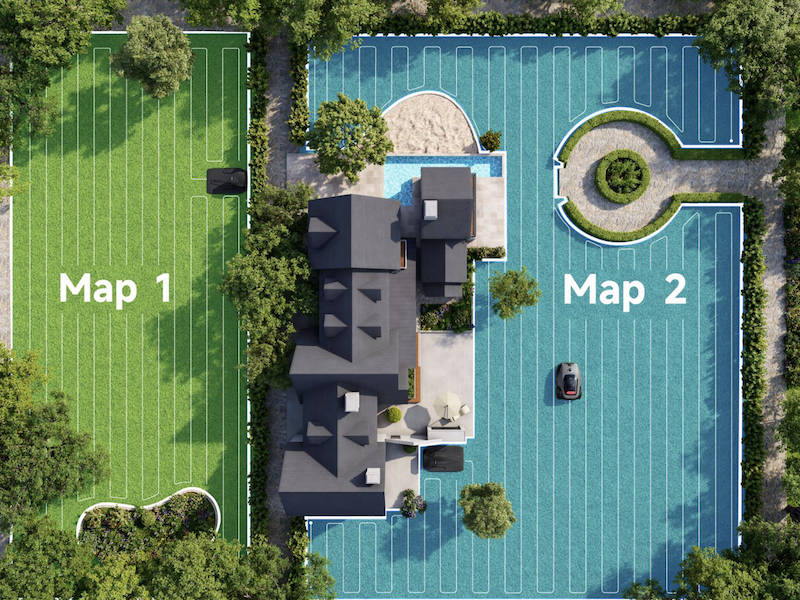
Imagine: Your garden consists of a large main area, a separate area behind the garden house and a slightly sloping edge strip along the driveway. This is exactly where many classic robotic lawnmowers fail – and this is exactly where the advantage of wireless models begins.
Anyone who knows a garden like this knows: laying a boundary wire is not only time-consuming, but often frustrating. As soon as the cable is in the ground, a root, a shovel puncture or a harsh winter is enough to ruin the painstakingly established border. Wireless robotic lawnmowers solve this problem at the root – and they will get better and better at it in 2026.
Why robot lawn mowers without cables will be in such demand in 2026
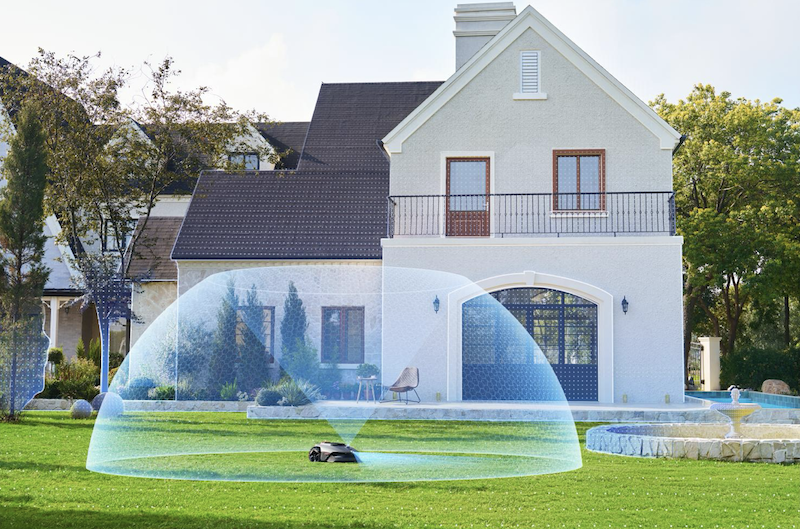
The trend towards wireless robotic lawnmowers is no coincidence. GPS navigation has improved so much in recent years that robots can independently map garden areas, calculate routes and adapt to changing conditions – without any wires in the ground.
This is clearly noticeable in everyday life. If you want to create a bed, define a new zone or simply move the robot’s parking space, adjust it using the app – done. No digging, no readjustment, no troubleshooting of broken cables.
- No installation: Set up, configure, get started straight away – ideal for anyone who doesn’t want to lay wires.
- More flexible garden planning: Change beds? Add a new zone? The navigation adapts automatically.
- GPS-assisted orientation: Modern software ensures clean paths and structured mowing.
- Fewer sources of interference: No cable to break, become damaged or misrouted.
- Easier maintenance: Everything controlled digitally – fewer sources of mechanical error.
Which often makes conventional robotic lawnmowers a problem
Boundary wires have long been the standard, but they come with noticeable limitations. Laying can take hours or even a whole day. Even more annoying: Once the cable is damaged – by animals, frost, roots or a careless sod – a lengthy troubleshooting process begins.
Wired models also quickly reach their limits in terms of navigation. In winding gardens, narrow spaces or several separate lawns, they often cannot depict the structure cleanly. They simply drive along the wire; there is usually no more intelligence behind it.
The new generation of cordless mowers, on the other hand, get to know the garden. They create maps, calculate optimal routes and improve their performance over the course of the season. Something that is not structurally possible with wire technology.
What you should pay attention to when choosing your wireless robot lawn mower
The selection is growing, but not every model is suitable for every garden. Before you decide, these points play an important role:
- Area size: The larger the lawn, the more powerful the robot should be.
- Complexity: Does your garden contain multiple areas, narrow spaces or obstacles?
- Battery performance: Larger areas require reliable and efficient batteries.
- Cutting width: Wider mower decks process areas more quickly.
- Navigation system: GPS and AI navigation are standard on high-end wireless models.
- Weather resistance: A good robot should be able to withstand rain, heat and cold without any problems.
- Security: Sensors to stop when touched or lifted are mandatory.
A wireless robotic lawnmower is particularly worthwhile if the garden is complex, changes regularly or laying a cable is simply not an option. For simple, clearly defined lawns without obstacles, wired entry-level models can still be a cheap alternative – that should be said honestly.
The LIDAX Ultra series at a glance: Which model for which area?
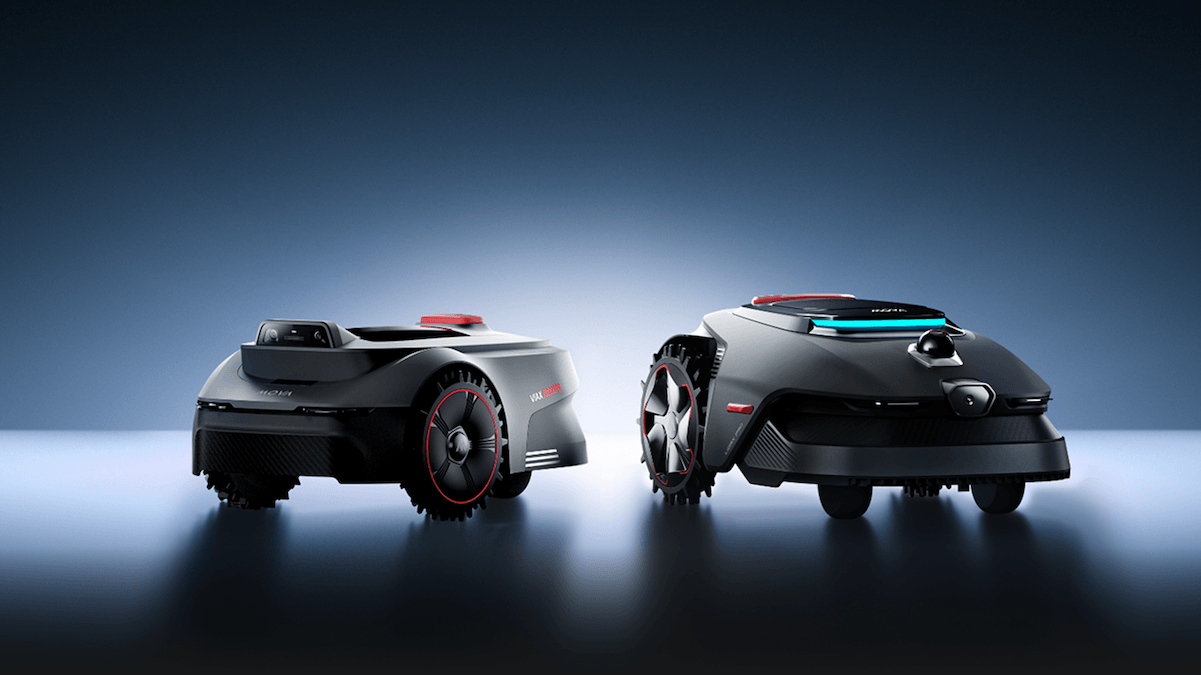
The LIDAX Ultra Series from MOVA was developed for exactly these requirements. All three models work wirelessly via GPS navigation, have powerful batteries and are designed for regular use. What differentiates them is the area performance:
- LIDAX Ultra 800: For gardens up to 800 m² – ideal for terraced houses, city gardens and clear lawns.
- LIDAX Ultra 1200: The all-rounder for areas up to 1200 m² with medium complexity – even with separate areas.
- LIDAX Ultra 1600: For large properties with extensive areas, different altitudes and several zones.
All variants mow pleasantly quietly – a factor that should not be underestimated in densely built-up residential areas.
How a wireless robotic lawnmower proves itself in everyday life
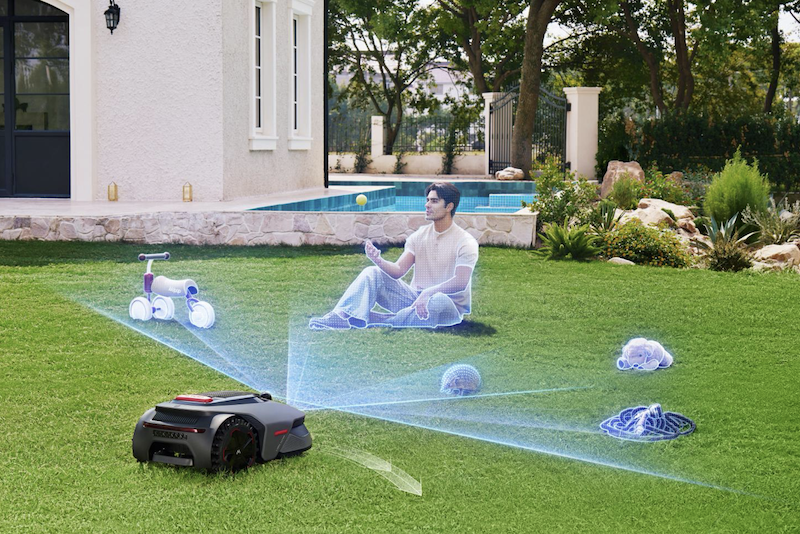
Setting up a wireless robotic lawnmower like the LIDAX Ultra is usually done via an app. When it first starts, the robot travels over the area and creates a map. Boundaries, zones and exclusion areas – such as beds or play areas – are entered digitally. Depending on the size of the garden, this takes between a few minutes and half an hour.
The model then navigates independently during operation. A scenario: Garden with a main area and a smaller area behind the garden house. The LIDAX Ultra 1200 Finds the way between areas independently and reliably recognizes typical obstacles in the garden without a wire specifying the route. Interruptions – due to toys on the lawn, gardening work or simply bad weather – hardly disrupt the process.
The LIDAX Ultra 1600 shows its strengths on large properties with long edges and height differences: powerful motor, robust tires and AI-supported path planning. Even in light rain, he continues to work as long as conditions are safe.
A caveat: As with all GPS-based systems, signal quality may occasionally vary in very narrow areas heavily shaded by trees or buildings. This is not a LIDAX-specific problem, but a fundamental feature of the technology – it’s worth taking this into account when setting up.
Anyone who mows regularly will also notice a pleasant side effect: the lawn becomes denser and more even because the robot mows frequently and at short intervals – typical of the so-called mulching principle, in which the fine cuttings particles remain in the ground as natural fertilizer.
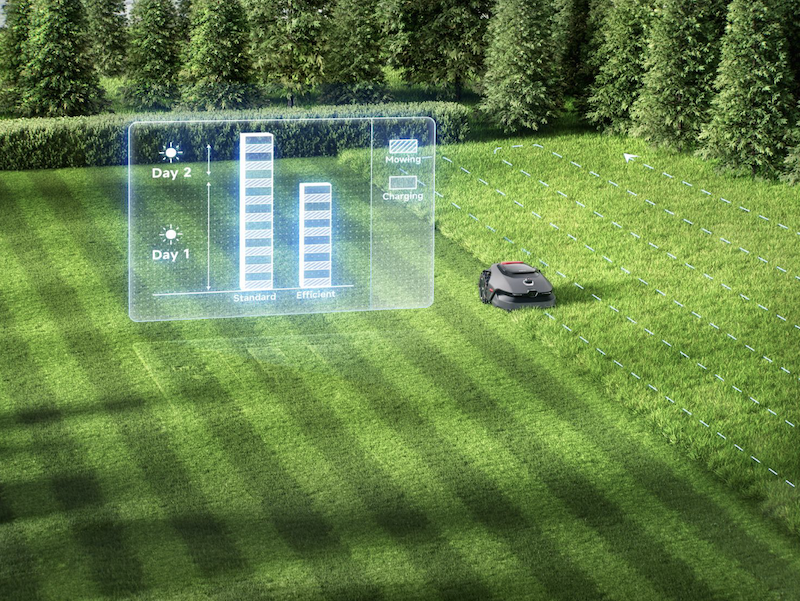
Further technical details and an overview of wireless robotic lawnmowers from MOVA you can find it here.
FAQ
How does the LIDAX Ultra setup work?
The setup is app-based. Thanks to UltraView system with AI and 3D LiDAR, the robot automatically creates a map of the garden – without boundary wires or manual measurement.
How well does the LIDAX Ultra navigate complex gardens?
The robot is designed for multiple zones and complex garden structures and can manage up to 150 areas. Using AI-based navigation, it automatically adapts to different layouts.
Can the LIDAX Ultra also work on uneven terrain?
Yes, the LIDAX Ultra is designed for gradients of up to 45% and can also overcome obstacles up to approx. 4 cm, making it suitable for more demanding gardens.
Does the LIDAX Ultra also work in the rain?
Yes, the robot can operate in light rain as long as safety conditions are met.
The article How to find the right robot lawn mower without cables in 2026 appeared first on BASIC thinking. Follow us too Google News and Flipboard or subscribe to our newsletter UPDATE.
As a Tech Industry expert, finding the right robot lawn mower without cables in 2026 will likely involve a combination of research, testing, and consideration of various factors. One important aspect to consider is the battery life and charging capabilities of the robot mower. Ensuring that the mower has a long-lasting battery and efficient charging system will be crucial in maintaining its performance and effectiveness.
Another key consideration is the navigation and mapping capabilities of the robot mower. Advanced technologies such as GPS, sensors, and artificial intelligence are likely to play a significant role in enabling the mower to navigate and mow the lawn effectively without the need for cables or boundaries. Ensuring that the mower is equipped with these advanced features will be essential in finding the right robot mower for your lawn.
Additionally, it will be important to consider the size and layout of your lawn when selecting a robot mower without cables. Different models may be better suited for smaller or larger lawns, or lawns with unique features such as slopes or obstacles. Taking the time to assess your lawn’s specific needs and researching different models to find one that best fits those needs will help ensure that you find the right robot mower for your lawn in 2026.
Overall, finding the right robot lawn mower without cables in 2026 will require a combination of technological advancements, research, and consideration of your lawn’s specific needs. By staying informed about the latest developments in robot mower technology and taking the time to assess your lawn’s requirements, you can find a robot mower that will keep your lawn looking its best without the hassle of cables.
Credits