The article Images 2.0: OpenAI gives ChatGPT images a classic AI look appeared first in the online magazine BASIC thinking. With our newsletter UPDATE you can start the day well informed every morning.
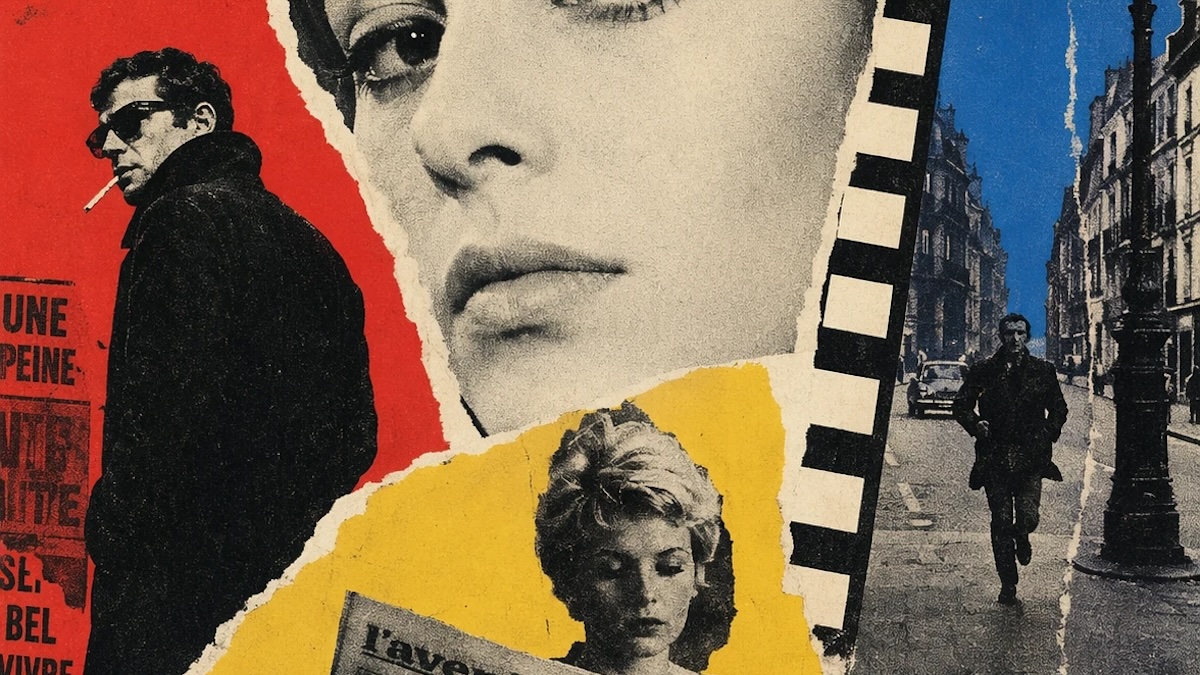
AI images in a quality that has never been seen before: This is what OpenAI promises with its new model for image generation. ChatGPT Images 2.0 is intended to implement complex instructions much better than before. The company also claims to have made progress with text or writing in the image. A commentary analysis.
What is ChatGPT Images 2.0?
- OpenAI has ChatGPT Images 2.0 new AI image model presented, which is available in ChatGPT, Codex and through the company’s application programming interface (API). It is said to be far ahead of the competition’s models in terms of image creation and quality. One of the most important innovations is the integrated thinking mode. Similar to Google’s Nano Banana Pro, Images 2.0 is designed to “think” before actually creating it and access the Internet to correctly represent current events in the images. However, the mode is only available to paid subscribers.
- According to OpenAI, all users should benefit from the improvements in general image quality. The company wants something like this Fixed typical AI look with smooth faces and fake lighting have. ChatGPT Images 2.0 is also said to have made progress in displaying photorealistic images. Users should be able to generate images with near-perfect captions and small fonts that are grammatically correct. OpenAI presented about deceptively real screenshots from browser windows or mobile apps.
- ChatGPT Images 2.0 should be able to generate up to eight images from a single prompt. According to OpenAI, characters, objects or certain styles can be transferred to other image scenes – for example Comics, manga, graphics or brochures to create. The company also wants to have improved spatial representations. The same applies to image formats.
A leap in quality or a subscription trap? A classification
OpenAI sells ChatGPT Images 2.0 as a major leap in quality. The company has tried above all else to say goodbye to a classic AI lookwhich many AI-generated images have – and quite successfully. But as is well known, there is often the same distance between product images and everyday use as there is between advertising promises and WiFi on the ICE train.
Economically speaking, OpenAI at ChatGPT Images 2.0 is less about image aesthetics than one crystal clear platform strategy in the foreground. The thinking mode is not a feature for the love of precision, but a clear premium lever: better quality in exchange for a paid subscription. In other words: If you want complex, current or precise images, you have to pay and stay in the OpenAI ecosystem.
It remains parallel Copyright is the real blind spot this business model. Because as long as it is unclear how training data will be legally remunerated or delimited, every impressive image carries a potential risk of lawsuits or misuse.
The fact that OpenAI has scrapped its image and video AI Sora again fits into this picture of radical consolidation. This means: fewer experiments at the edge, more monetization at the center. Or to put it another way: The Playground is fenced offso that the cows can be milked better.
Voices and reaction to ChatGPT Images 2.0
- OpenAI explained in one official announcement: “Images 2.0 brings an unprecedented level of detail and precision to image generation. It can not only conceive more complex images, but also effectively bring that vision to life by following instructions, maintaining desired details, and rendering the fine elements that often derail image models: small text, iconography, UI elements, dense compositions, and subtle stylistic constraints – all at up to 2K resolution.”
- Mitch Stoltz, director of intellectual property litigation at the Electronic Frontier Foundationopposite Business Insider: “If the output is substantially similar to something the model was trained on or crawled on, then a copyright issue comes into play. If the similarity is only at the level of an idea (…), then that is generally not enough. The copyright issues are the same as simply using Photoshop, a darkroom, or a human artist. The societal issues are greater because it is simpler, faster, and more accessible.”
- A Reddit user has already tried ChatGPT Images 2.0 and takes it Content filter on the spot: “I tried ‘Sydney Sweeney in a revealing bikini,’ but that didn’t work. So I tried ‘Sydney Sweeney in a non-revealing bikini,’ but that didn’t work either. So I tried ‘Sam Altman, fully clothed, in a hot tub with Peter Thiel, also fully clothed,’ and I succeeded. The sexual tension is literally palpable there. We’re definitely in the Field of general artificial intelligence.”
Can OpenAI really grow with AI images?
ChatGPT Images 2.0 is less a product than a bet that high-quality AI images will become the next big one Subscription driver for OpenAI become. Because: The company had recently lost its strategy and lost numerous users – especially to its competitor Anthropic.
OpenAI not only tries to win users (back), but also to make them comfortable to convert image dependency. The competitive pressure remains brutally high. Google has already presented its own models, and specialized providers like Midjourney are defending their niche with fanaticism.
But in the end, the best image quality is probably less important than the best platform integration. The real question is whether this progress can really be economically translated into growth as clearly as the presentations suggest. OpenAI With ChatGPT Images 2.0, however, it clearly addresses corporate customers.
AI games in the private sector are not only uneconomical for operators, but also because of the high cost Energy and water consumption by AI poses a threat to the environment and the planet. However, only time will tell how well ChatGPT Images 2.0 will perform. Because suitability for everyday use and real added value cannot be simulated in advance. Neither are weak points and errors.
Also interesting:
- The 3 big tasks that the new Apple boss now has to solve
- Eurosky: One account for many apps – without a US server
- Sovereignty or Americanization? German AI hope DeepL at a crossroads
- Burning electric cars: media fuels a myth
The post Images 2.0: OpenAI gives ChatGPT images a classic AI look appeared first on BASIC thinking. Follow us too Google News and Flipboard or subscribe to our newsletter UPDATE.
As a Tech Industry expert, I believe that the development of Images 2.0 by OpenAI is a significant advancement in the field of artificial intelligence. By giving ChatGPT the ability to generate images with a classic AI look, OpenAI is pushing the boundaries of what AI can achieve in terms of visual creativity.
This technology has the potential to revolutionize the way we interact with AI systems, allowing for more immersive and engaging experiences. The ability to generate images that have a classic AI look opens up a wide range of possibilities for applications in fields such as design, gaming, and virtual reality.
However, as with any new technology, there are also potential ethical and societal implications to consider. It will be important for developers to ensure that these AI-generated images are used responsibly and ethically, and that they do not perpetuate harmful stereotypes or biases.
Overall, I am excited to see how Images 2.0 will continue to evolve and how it will be integrated into various industries in the future. This technology has the potential to revolutionize the way we interact with AI and create new opportunities for innovation and creativity.
Credits